High-Protein Thai Peanut Chicken Recipe for Busy Nights
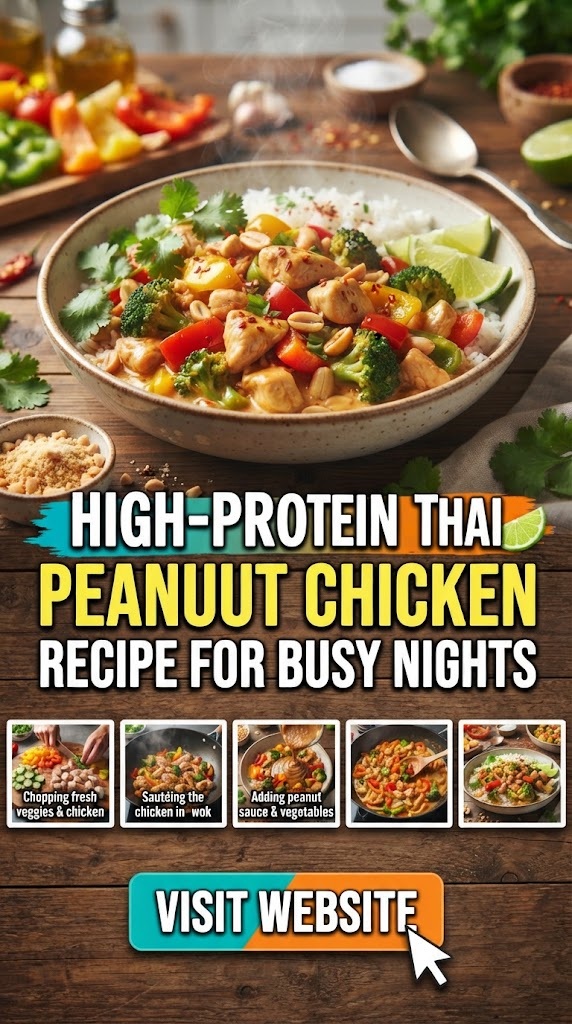
In the fast-paced world of modern living, the struggle to balance a demanding career, fitness goals, and a healthy diet is a daily challenge. We often find ourselves standing in front of the refrigerator at 7:00 PM, exhausted, contemplating the ease of a delivery app. However, the secret to staying on track with your nutritional goals while satisfying your cravings for bold, exotic flavors lies in one specific dish: High-Protein Thai Peanut Chicken.
This isn’t just another stir-fry; it is a meticulously balanced masterpiece of macronutrients and micronutrients. It combines the lean, muscle-building power of chicken breast with the heart-healthy fats of peanuts and the metabolic-boosting properties of ginger and chili. Whether you are a dedicated bodybuilder looking for a meal prep staple or a busy parent trying to get a nutritious dinner on the table in under 30 minutes, this recipe is your ultimate solution.
Why This Thai Peanut Chicken is a Game Changer
When we talk about “busy nights,” we aren’t just talking about a lack of time; we are talking about a lack of mental energy. This recipe addresses both. By utilizing simple pantry staples and a streamlined cooking process, you can create a restaurant-quality meal that outperforms any takeout in terms of flavor, cost, and health.
1. The Protein Punch
Chicken breast is the gold standard for lean protein. A single serving of this dish provides approximately 35–45 grams of protein, depending on your portion size. This is essential for muscle protein synthesis and keeping you satiated throughout the evening, preventing late-night snacking.
2. The Power of Healthy Fats
Traditional Thai peanut sauces can sometimes be heavy on sugar and poor-quality oils. Our version focuses on natural peanut butter, which provides monounsaturated fats. These fats are essential for hormone production and brain health, ensuring you stay sharp even after a long day.
3. Metabolic Heat
The inclusion of fresh ginger, garlic, and red pepper flakes doesn’t just provide depth of flavor. These “thermogenic” ingredients slightly increase your body’s metabolic rate and aid in digestion, making this a functional meal as much as a delicious one.
The Anatomy of the Perfect Peanut Sauce
The soul of this dish lies in the sauce. A great Thai peanut sauce should hit every part of your palate: salty, sweet, sour, and spicy. To achieve this balance without the calorie-heavy ingredients found in bottled versions, we use a specific combination of ingredients.
The Creamy Base: Natural Peanut Butter
Always opt for “natural” peanut butter where the only ingredients are peanuts and salt. This avoids unnecessary palm oils and added sugars. The natural oils in the butter help emulsify the sauce, creating a velvety texture that coats the chicken perfectly.
The Umami Factor: Soy Sauce or Tamari
Soy sauce provides the essential saltiness and depth. For those following a gluten-free lifestyle, Tamari is an excellent 1:1 substitute. If you are watching your sodium intake, coconut aminos offer a lower-sodium, slightly sweeter alternative.
The Acidic Brightness: Fresh Lime Juice
Never use the bottled lime juice concentrate. The citric acid in fresh lime juice cuts through the richness of the peanut butter, lifting the entire flavor profile and making the dish feel light rather than heavy.
The Natural Sweetener: Honey or Maple Syrup
To balance the heat and salt, a touch of natural sweetness is required. Honey pairs beautifully with the floral notes of Thai spices, while maple syrup offers a deeper, earthier sweetness.
High-Protein Thai Peanut Chicken Recipe
Ingredients List
For the Chicken:
- 1.5 lbs Boneless, skinless chicken breasts (cut into 1-inch bite-sized cubes)
- 1 tablespoon Avocado oil or Coconut oil (high smoke point oils are best)
- Salt and black pepper to taste
- 1 tablespoon Cornstarch (optional, for a slight crust)
For the Signature Peanut Sauce:
- 1/2 cup Natural creamy peanut butter
- 1/4 cup Low-sodium soy sauce or Tamari
- 2 tablespoons Fresh lime juice
- 1 tablespoon Honey or Agave nectar
- 1 tablespoon Sriracha or red chili paste (adjust to your heat preference)
- 1 tablespoon Freshly grated ginger
- 3 cloves Garlic, minced
- 2–4 tablespoons Warm water (to thin the sauce)
For the Stir-Fry Vegetables:
- 1 Red bell pepper, thinly sliced
- 1 cup Snap peas or broccoli florets
- 1 large Carrot, julienned or shredded
- 3 Green onions, chopped (whites and greens separated)
Garnish (Don’t Skip These!):
- Crushed roasted peanuts
- Fresh cilantro
- Extra lime wedges
- Sesame seeds
Step-by-Step Instructions
Step 1: Prepare the Sauce
In a medium-sized bowl, whisk together the peanut butter, soy sauce, lime juice, honey, sriracha, grated ginger, and minced garlic. The mixture will initially look thick and separated—don’t worry. Slowly whisk in warm water, one tablespoon at a time, until you reach a smooth, pourable consistency. Set this aside to allow the flavors to marry.
Step 2: Prepare the Chicken
Pat the chicken cubes dry with a paper towel. This is the secret to getting a good sear. Season lightly with salt and pepper. If you want a slightly crispy texture, toss the chicken in a bowl with a tablespoon of cornstarch until lightly coated.
Step 3: Sear for Maximum Flavor
Heat your oil in a large skillet or wok over medium-high heat. Once the pan is shimmering, add the chicken in a single layer. Let it cook undisturbed for 3–4 minutes to develop a golden-brown crust. Flip and cook for another 3 minutes until nearly cooked through. Remove the chicken from the pan and set aside on a plate.
Step 4: Sauté the Aromatics and Veggies
In the same pan (no need to wash it; those brown bits are flavor gold!), add a splash more oil if needed. Add the whites of the green onions, bell peppers, snap peas, and carrots. Sauté for 3–5 minutes. You want the vegetables to be vibrant and “crisp-tender”—not mushy.
Step 5: The Grand Finale
Turn the heat down to medium-low. Add the cooked chicken back into the pan with the vegetables. Pour the peanut sauce over everything. Stir constantly for 1–2 minutes. The sauce will thicken slightly and glaze the chicken and vegetables beautifully. If it becomes too thick, add one more splash of water.
Step 6: Serve and Garnish
Remove from heat immediately to prevent the peanut butter from overcooking and becoming oily. Serve over your base of choice (see options below) and top generously with crushed peanuts, fresh cilantro, and the remaining green onions.
Nutritional Breakdown (Per Serving)
- Calories: 420 kcal
- Protein: 42g
- Total Carbohydrates: 18g
- Dietary Fiber: 4g
- Sugars: 8g
- Total Fat: 22g (primarily healthy unsaturated fats from peanuts)
Note: These values are estimates based on standard ingredients and do not include the side dish (rice/quinoa).
Choosing Your Base: From Low-Carb to Power-Grains
How you serve your Thai Peanut Chicken can drastically change the nutritional profile of the meal. Depending on your goals for the day, here are the best pairings:
1. Jasmine Rice (The Traditional Choice)
For those who have just finished a grueling workout, the fast-digesting carbohydrates in Jasmine rice are perfect for replenishing glycogen stores. The fragrant aroma of the rice complements the peanut sauce perfectly.
2. Cauliflower Rice (The Low-Carb/Keto Choice)
If you are aiming for fat loss or following a ketogenic diet, cauliflower rice is an incredible substitute. It soaks up the extra peanut sauce while adding an extra serving of cruciferous vegetables to your day.
3. Quinoa (The Fiber Powerhouse)
For a slower-releasing carbohydrate and an extra boost of plant-based protein, quinoa is a modern favorite. Its nutty texture mirrors the flavors of the peanut sauce.
4. Zucchini Noodles (Zoodles)
For a refreshing, light take, toss the chicken and sauce with spiralized zucchini. The heat of the sauce will slightly soften the noodles without making them soggy.
Meal Prep Strategies for the Busy Professional
This recipe is a “meal prep unicorn” because it actually tastes better the next day. As the dish sits in the refrigerator, the ginger, garlic, and chili infuse more deeply into the chicken.
How to Store
Store the cooked Thai Peanut Chicken in airtight glass containers for up to 4 days in the refrigerator. Glass is preferred over plastic as it doesn’t retain odors and reheats more evenly.
Reheating Tips
To prevent the chicken from becoming rubbery and the sauce from drying out, add a teaspoon of water or coconut milk to the container before microwaving. Heat in 30-second intervals, stirring in between. Alternatively, reheat in a skillet over low heat for a “just-cooked” taste.
Can You Freeze It?
Yes! This dish freezes exceptionally well. Allow it to cool completely before transferring to a freezer-safe bag or container. It will stay fresh for up to 3 months. To serve, thaw overnight in the fridge and reheat on the stovetop.
Customizing the Heat and Flavor
One of the beauties of Thai-inspired cooking is its adaptability. You can easily tweak this recipe to suit your personal preferences.
- The Heat Seeker: Add a teaspoon of red curry paste to the sauce or double the Sriracha. You can also finish the dish with sliced Thai bird’s eye chilies for a significant kick.
- The Nut-Free Alternative: If you have a peanut allergy, SunButter (sunflower seed butter) or almond butter works surprisingly well. The flavor profile will change slightly, but it will still be delicious and creamy.
- The Veggie Lover: This recipe is very forgiving. Feel free to add baby corn, water chestnuts, bok choy, or even spinach at the very end.
- The Vegan Version: Replace the chicken with extra-firm pressed tofu or tempeh. Use maple syrup instead of honey and ensure your soy sauce is vegan-certified.
The Science of Satiety: Why This Recipe Keeps You Full
Have you ever eaten a large bowl of pasta only to feel hungry an hour later? That’s due to a “glucose spike” followed by a “crash.” This High-Protein Thai Peanut Chicken is designed to prevent that.
The combination of High Protein (chicken), Fiber (vegetables), and Healthy Fats (peanut butter) creates a slow-digestion effect. This trio stabilizes your blood sugar levels, meaning energy is released slowly into your bloodstream. This is why this meal is particularly effective for people trying to manage their weight without feeling deprived or “hangry.”
Furthermore, the “umami” flavor—the savory fifth taste—found in soy sauce and cooked chicken signals to the brain that you have consumed a nutritionally dense meal, which helps turn off hunger hormones like ghrelin.
Common Mistakes to Avoid
Even with a simple recipe, there are a few pitfalls that can take your dish from “amazing” to “average.”
- Overcrowding the Pan: If you put too much chicken in the pan at once, the temperature drops, and the chicken will steam in its own juices instead of searing. Cook in two batches if necessary.
- Using High Heat for the Sauce: Peanut butter contains natural sugars that can burn quickly. Always lower the heat before adding the sauce to the pan.
- Skipping the Fresh Aromatics: While jarred garlic and ginger powder are convenient, they lack the “zing” and essential oils of fresh ingredients. A microplane grater makes prepping fresh ginger and garlic a 30-second task.
- Neglecting the Garnish: Garnishes aren’t just for looks. The crunch of the peanuts and the freshness of the cilantro are structural components of the flavor profile.
Frequently Asked Questions (FAQs)
Can I use chicken thighs instead of breasts?
Absolutely. Chicken thighs are more forgiving and stay moister during high-heat cooking. They do contain more fat, so keep that in mind if you are strictly tracking your macros.
Is this recipe gluten-free?
As long as you use Tamari or coconut aminos instead of traditional soy sauce, this recipe is 100% gluten-free.
My sauce is too thick; what did I do wrong?
Nothing! Peanut butter brands vary in oil content. Simply whisk in a little more warm water or a splash of coconut milk until it reaches your desired consistency.
Can I make this in a Slow Cooker or Instant Pot?
Yes. For a Slow Cooker, place the chicken and half the sauce in the crockpot and cook on low for 3–4 hours. Add the vegetables in the last 30 minutes. For the Instant Pot, cook the chicken and sauce on high pressure for 8 minutes with a quick release, then stir in the vegetables using the “Sauté” function.
Creating a “Thai Night” Experience at Home
If you have a little extra time on a Friday night, you can turn this simple recipe into a full culinary experience.
- Appetizer: Serve with a side of fresh spring rolls or a light cucumber salad with rice vinegar and sesame oil.
- Beverage Pairing: A crisp, cold lager or a sparkling water with a squeeze of lime and a sprig of mint complements the creamy, spicy notes of the peanut sauce perfectly.
- Ambience: Thai food is all about the balance of elements. Put on some chill lo-fi beats, use your favorite bowls, and enjoy a meal that nourishes both your body and your soul.
Final Thoughts on Healthy Weeknight Cooking
The journey to a healthier lifestyle isn’t paved with restrictive diets or flavorless steamed vegetables. It is built on recipes like this High-Protein Thai Peanut Chicken—meals that are fast, functional, and undeniably delicious.
By mastering this one dish, you gain a versatile tool in your culinary arsenal. You learn the basics of flavor balancing, the importance of searing meat, and the art of the 20-minute meal. More importantly, you take control of what goes into your body, proving that “busy” does not have to mean “unhealthy.”
Next time you’re tempted to reach for the takeout menu, remember that you are only 20 minutes away from a high-protein, Thai-inspired feast that will leave you feeling energized, satisfied, and ready to tackle whatever tomorrow brings.
Summary Checklist for Success
- Prep the sauce first to let flavors meld.
- Dry the chicken for a perfect golden sear.
- Don’t overcook the veggies; keep that crunch!
- Balance your macros by choosing the right base (Rice vs. Cauliflower Rice).
- Garnish generously for that authentic restaurant finish.
With these tips and this comprehensive guide, you are ready to master the art of the High-Protein Thai Peanut Chicken. Happy cooking!