How to Make crispy tuscan garlic chicken cutlets at Home
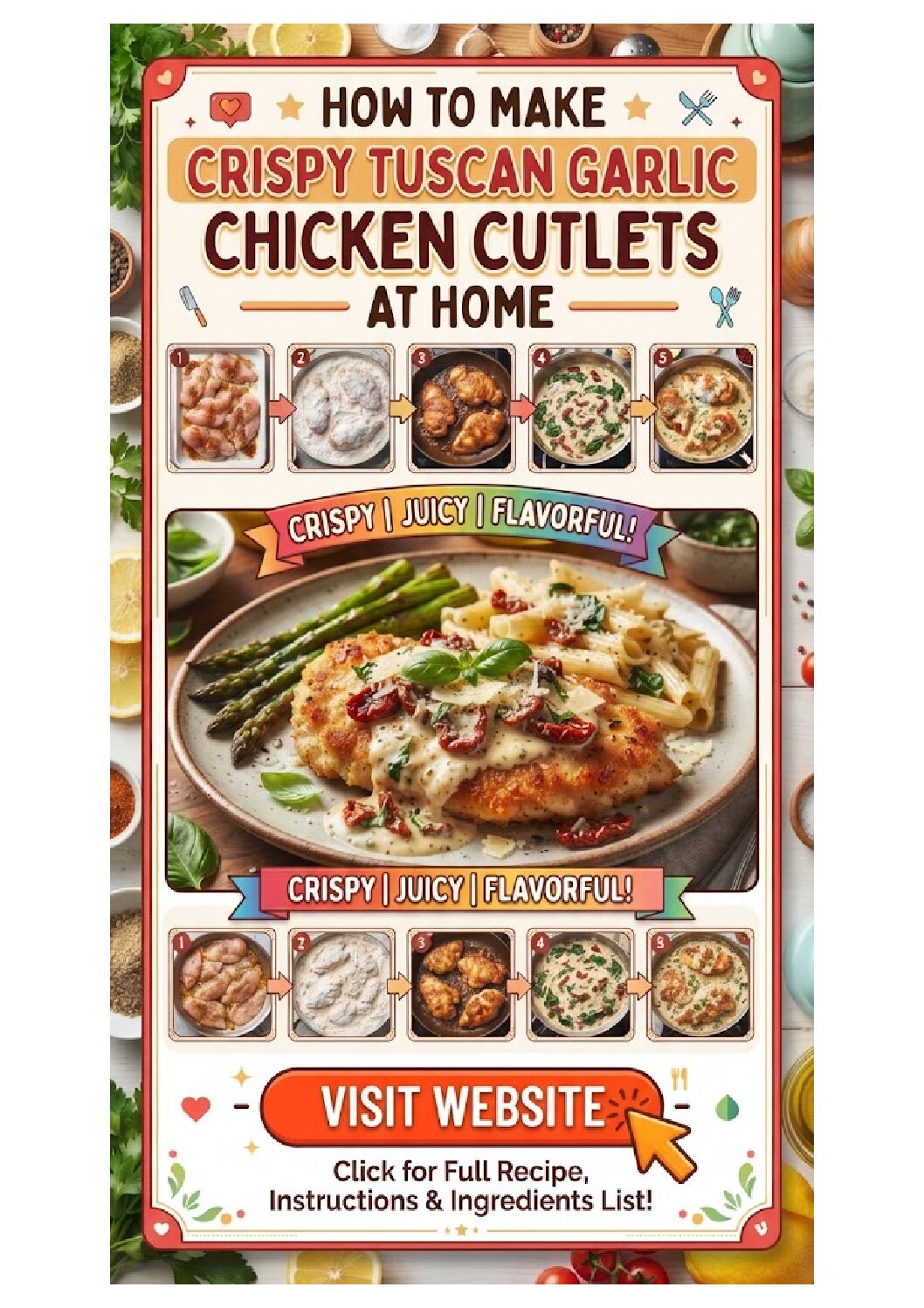
There is a specific kind of culinary magic that happens when a golden, crunch-heavy chicken cutlet meets a velvety, aromatic cream sauce. This dish—Crispy Tuscan Garlic Chicken Cutlets—is more than just a meal; it is an experience. It bridges the gap between the rustic, sun-drenched flavors of the Italian countryside and the high-end sophistication of a modern bistro.
If you have ever found yourself craving a dish that offers the ultimate textural contrast—shatteringly crisp breading on the outside, succulent meat on the inside, and a sauce that is so flavorful you could eat it with a spoon—you have come to the right place. In this comprehensive guide, we will explore every nuance of making the perfect Tuscan chicken, from the science of the breading station to the art of the perfect cream reduction.
The Anatomy of the Perfect Tuscan Chicken Cutlet
To master this dish, one must understand its components. Tuscan-style cooking, traditionally known as cucina povera (peasant cooking), focuses on high-quality, simple ingredients that deliver bold flavors. The Americanized “Tuscan Chicken” evolved to include a rich, garlic-infused cream sauce, brightened by sun-dried tomatoes and fresh spinach.
1. The Chicken: Thin is King
The foundation of a great cutlet is the preparation of the meat. Thick chicken breasts often result in uneven cooking—the outside burns before the inside is safe to eat. For this recipe, we use thin-sliced cutlets or pounded-out breasts. This ensures a quick cook time, which preserves the moisture of the meat while allowing the breading to reach peak crispiness.
2. The Breading: A Three-Stage Evolution
A truly crispy cutlet requires a multi-layered approach. We aren’t just dipping chicken in flour; we are building a structural fortress of flavor.
- The Flour Base: Provides a dry surface for the egg to cling to.
- The Egg Wash: Acts as the “glue.”
- The Panko-Parmesan Crust: Using Panko (Japanese breadcrumbs) instead of traditional Italian crumbs provides a larger surface area, resulting in more “crunch” per bite.
3. The Tuscan Sauce: A Balance of Elements
The sauce is where the “Tuscan” identity shines. It requires:
- Aromatic Base: An abundance of fresh, minced garlic.
- Acidity: Sun-dried tomatoes provide a chewy texture and a concentrated tartness.
- Richness: Heavy cream and Parmesan cheese create a luxurious mouthfeel.
- Freshness: Baby spinach added at the very end provides color and a mild earthy flavor.
Ingredients You Will Need
Before you turn on the stove, ensure you have gathered the highest quality ingredients. Since this dish relies on the harmony of its parts, the quality of your parmesan and your sun-dried tomatoes will significantly impact the final result.
For the Crispy Chicken:
- Chicken Breasts: 1.5 lbs, sliced into thin cutlets and pounded to 1/4-inch thickness.
- All-Purpose Flour: 1/2 cup for dredging.
- Eggs: 2 large, beaten.
- Panko Breadcrumbs: 1.5 cups.
- Parmigiano-Reggiano: 1/2 cup, finely grated (freshly grated is mandatory for melting).
- Italian Seasoning: 1 tablespoon (a blend of dried oregano, basil, thyme, and rosemary).
- Garlic Powder & Onion Powder: 1 teaspoon each for the breading.
- Kosher Salt and Cracked Black Pepper: To taste.
- Oil for Frying: Avocado oil, grapeseed oil, or a light olive oil (ensure it has a high smoke point).
For the Tuscan Garlic Sauce:
- Heavy Whipping Cream: 1.5 cups.
- Chicken Broth: 1/2 cup (low sodium to control salt levels).
- Fresh Garlic: 5-6 cloves, minced (don’t use the jarred stuff!).
- Sun-dried Tomatoes: 1/2 cup, oil-packed, drained and chopped.
- Fresh Baby Spinach: 2-3 packed cups.
- Parmesan Cheese: 1/2 cup, grated.
- Fresh Lemon Juice: 1 tablespoon (to cut through the richness).
- Red Pepper Flakes: A pinch for a subtle heat.
- Fresh Parsley: For garnish.
Step-by-Step Instructions for Culinary Success
Step 1: Prepping the Chicken
Start by patting your chicken breasts dry with paper towels. This is a crucial step; moisture on the surface of the meat prevents the flour from sticking, which leads to the breading sliding off in the pan.
If your chicken breasts are thick, slice them in half horizontally to create two thin cutlets. Place them between two sheets of plastic wrap and use a meat mallet or a heavy rolling pin to pound them to a uniform 1/4-inch thickness. Season both sides generously with salt and pepper.
Step 2: The Breading Station
Set up three shallow bowls:
- Bowl One: Flour mixed with a pinch of salt and pepper.
- Bowl Two: Beaten eggs with a splash of water or milk.
- Bowl Three: Panko breadcrumbs, grated Parmesan, Italian seasoning, garlic powder, and onion powder. Mix these thoroughly.
Dredge a piece of chicken in the flour, shaking off the excess. Dip it into the egg wash, ensuring full coverage. Finally, press it firmly into the Panko-Parmesan mixture. Pressing down helps the crumbs adhere and creates a thicker crust.
Step 3: Pan-Frying to Perfection
Heat a large skillet over medium-high heat. Add enough oil to coat the bottom of the pan (about 1/4 inch deep). To test if the oil is ready, drop a few breadcrumbs in; if they sizzle immediately, you’re ready to go.
Place 2-3 cutlets in the pan at a time—do not overcrowd the pan, as this lowers the oil temperature and results in soggy breading. Fry for 3-4 minutes per side until the crust is a deep golden brown and the internal temperature reaches 165°F (74°C).
Pro Tip: Transfer the cooked cutlets to a wire rack set over a baking sheet rather than a paper towel. This allows air to circulate under the chicken, keeping the bottom side crispy.
Step 4: Crafting the Tuscan Garlic Sauce
In the same skillet (or a clean one if the oil is burnt), wipe out any excess grease but leave the brown bits (fond) behind. Lower the heat to medium.
- Sauté the Aromatics: Add a tablespoon of butter or oil. Add the minced garlic and sun-dried tomatoes. Sauté for 1-2 minutes until the garlic is fragrant but not browned.
- Deglaze: Pour in the chicken broth, using a wooden spoon to scrape up the flavorful bits from the bottom of the pan.
- Simmer the Cream: Pour in the heavy cream and red pepper flakes. Bring the mixture to a gentle simmer. Let it bubble for 3-5 minutes until it begins to thicken slightly.
- Emulsify the Cheese: Stir in the Parmesan cheese and lemon juice. Continue to stir until the cheese is melted and the sauce is smooth.
- Wilting the Greens: Add the baby spinach. It will look like a lot, but it will wilt down significantly within 60 seconds. Once the spinach is wilted and the sauce is thick enough to coat the back of a spoon, remove from heat.
Step 5: The Final Assembly
There are two ways to serve this:
- The Restaurant Method: Spoon a generous amount of sauce onto a plate, place the crispy chicken cutlet directly on top, and drizzle a tiny bit more sauce over just a portion of the chicken. This preserves the maximum amount of crunch.
- The Family Style Method: Place the chicken back into the skillet with the sauce for 30 seconds to let the flavors meld, then serve immediately.
The Science of Crunch: Why This Recipe Works
Achieving a “shatter-crisp” coating while keeping the meat juicy is the holy grail of chicken preparation. Here is the science behind why this specific method works:
The Panko Advantage
Unlike standard breadcrumbs, which are ground into fine grains, Panko is made from a specific type of crustless bread that is processed into large, airy flakes. These flakes don’t soak up oil as easily as traditional crumbs, meaning they stay crispier for longer. When combined with Parmesan cheese, the fat from the cheese fries the breadcrumbs from the inside out, creating a savory, toasted crust.
The Role of Temperature
If the oil is too cold, the breading acts like a sponge, soaking up fat and becoming greasy. If the oil is too hot, the Parmesan in the crust will burn before the chicken is cooked through. Maintaining a steady medium-high heat (around 325°F to 350°F) is the sweet spot for golden perfection.
The Power of the “Fond”
The “fond” refers to the caramelized bits of protein and carbohydrates left in the pan after frying the chicken. By deglazing the pan with chicken broth, you are re-incorporating those deep, roasted flavors into the cream sauce. This creates a “bridge” of flavor between the chicken and the sauce.
Essential Tips for Success
Even the most experienced home cooks can benefit from these “hacks” to elevate the dish:
- Don’t Skimp on the Garlic: Tuscan chicken is defined by its garlic profile. Use fresh cloves and mince them finely. If you really love garlic, you can even use roasted garlic cloves for a sweeter, mellower undertone.
- Use Oil-Packed Tomatoes: While dry-packed sun-dried tomatoes work in a pinch, the oil-packed variety is much more tender and flavorful. Use a teaspoon of the oil from the jar to sauté your garlic for an extra layer of tomato essence.
- The “Dry Hand/Wet Hand” Rule: When breading the chicken, use one hand for the dry ingredients (flour and breadcrumbs) and the other hand for the wet ingredients (egg wash). This prevents your fingers from becoming “breaded” themselves.
- Acid is Your Friend: Heavy cream sauces can sometimes feel “heavy” or one-note on the palate. The tablespoon of lemon juice added at the end acts as a brightener, cutting through the fat and making the flavors pop.
- Rest Your Meat: Let the chicken rest on the wire rack for at least 3 minutes before serving. This allows the juices to redistribute, ensuring the first bite is as moist as possible.
Flavor Variations and Substitutions
This recipe is highly adaptable. Here are a few ways to put your own spin on it:
The Low-Carb/Keto Version
- The Breading: Replace the flour with almond flour and the Panko with crushed pork rinds or additional Parmesan cheese.
- The Sauce: Ensure you use full-fat heavy cream and avoid adding any flour or cornstarch thickeners.
- Serving: Serve over zoodles (zucchini noodles) or steamed riced cauliflower.
The Spicy Tuscan
- Add 1 teaspoon of Calabrian chili paste to the garlic and sun-dried tomatoes.
- Increase the red pepper flakes to 1/2 teaspoon.
- Use “Pepper Jack” cheese in place of half the Parmesan for a modern twist.
The Mushroom-Infused Tuscan
- Sauté 1 cup of sliced cremini or shiitake mushrooms along with the garlic. The earthiness of the mushrooms complements the cream and spinach perfectly.
The Dairy-Free Alternative
- The Sauce: Use full-fat canned coconut milk or a high-quality cashew cream.
- The Cheese: Replace Parmesan with nutritional yeast or a vegan Parmesan alternative.
- The Breading: Use gluten-free breadcrumbs and skip the cheese in the crust.
What to Serve with Crispy Tuscan Chicken
Because this dish is rich and flavorful, your side dishes should either complement that richness or provide a refreshing contrast.
1. The Classic: Pasta
Nothing beats a bed of al dente pasta. Linguine, fettuccine, or even a wide pappardelle are excellent choices. Toss the pasta in a little bit of the Tuscan sauce before plating the chicken on top.
2. The Healthy Choice: Roasted Vegetables
Roasted asparagus with a hint of lemon or garlicky broccolini provides a crunch and a bitterness that balances the cream sauce.
3. The Comfort Choice: Garlic Mashed Potatoes
If you want the ultimate comfort meal, serve the cutlets over creamy mashed potatoes. The sauce acts as a decadent gravy that ties everything together.
4. The Light Choice: Arugula Salad
A simple salad of baby arugula tossed with lemon juice, olive oil, and shaved Parmesan provides a peppery, fresh bite that cleanses the palate between bites of the rich chicken.
Wine Pairing Recommendations
A dish this flavorful deserves a wine that can stand up to it.
- Chardonnay: A lightly oaked, buttery Chardonnay mirrors the creaminess of the sauce. Look for one from California or Burgundy.
- Pinot Grigio: If you prefer something crisper, a high-quality Italian Pinot Grigio offers the acidity needed to cut through the heavy cream.
- Sauvignon Blanc: The herbal notes in Sauvignon Blanc pair beautifully with the Italian seasoning and fresh spinach.
- Sangiovese: For red wine lovers, a light Chianti (which is made from Sangiovese grapes) is the traditional Tuscan choice. Its high acidity and cherry notes work surprisingly well with sun-dried tomatoes.
Troubleshooting Common Issues
“My breading is falling off the chicken!”
This usually happens for three reasons:
- The chicken was too wet before breading.
- The oil wasn’t hot enough, causing the breading to “steam” off.
- You flipped the chicken too early. Let the crust set and brown before touching it.
“The sauce is too thin.”
If your sauce hasn’t thickened to your liking, let it simmer for a few more minutes. Remember that it will also thicken slightly as it cools and as you add the Parmesan cheese. Avoid adding flour at the end, as it can make the sauce taste “pasty.”
“The sauce curdled.”
Dairy can curdle if it is boiled too vigorously or if you add too much acid (lemon juice) while the sauce is at a high boil. Always simmer gently and add your citrus at the very end after removing the pan from the heat.
“The chicken is dry.”
This is a sign of overcooking. Because cutlets are thin, they only need about 3-4 minutes per side. Use a meat thermometer to pull them at exactly 165°F.
How to Store and Reheat
If you are lucky enough to have leftovers, you want to ensure they remain appetizing.
- Storage: Store the chicken and the sauce in separate airtight containers in the refrigerator for up to 3 days. Storing them together will make the chicken soggy.
- Reheating the Chicken: To regain that crispiness, avoid the microwave. Instead, place the cutlets on a baking sheet and bake at 375°F for 8-10 minutes, or use an air fryer at 350°F for 3-5 minutes.
- Reheating the Sauce: Place the sauce in a small saucepan over low heat. If it has thickened too much in the fridge, whisk in a splash of chicken broth or water to bring it back to its original consistency.
The History of “Tuscan” Chicken in America
While you might not find this exact “creamy” version in a traditional trattoria in Florence, the flavors are deeply rooted in Tuscan tradition. Tuscany is famous for its Bistecca alla Fiorentina and its use of simple, earth-grown ingredients like kale, spinach, and tomatoes.
The “Creamy Tuscan” trend exploded in the United States over the last decade, popularized by Italian-American restaurant chains and food bloggers. It represents a “fusion” style of cooking—taking the rustic ingredients of Italy (sun-dried tomatoes, spinach, garlic) and combining them with the French-influenced technique of a cream-based reduction sauce.
The reason it has become a staple in American households is its versatility. It feels like a “fancy” Sunday dinner but can be prepared in under 45 minutes, making it the perfect “wow” dish for guests or a treat for a busy Wednesday night.
Nutritional Overview (Per Serving)
While this is an indulgent dish, understanding the nutritional breakdown can help you balance your meal plan.
- Calories: Approximately 550-650 kcal (depending on the amount of oil and cream used).
- Protein: 35g – 45g (High protein from the chicken breasts).
- Fats: 30g – 40g (Primarily from the heavy cream, cheese, and frying oil).
- Carbohydrates: 20g – 25g (From the flour and breadcrumbs).
To make the dish “lighter,” you can substitute half of the heavy cream with whole milk or half-and-half, though the sauce will be less stable and slightly thinner.
Why You Should Make This Tonight
In the world of home cooking, few recipes offer as much “bang for your buck” as Crispy Tuscan Garlic Chicken Cutlets. It hits every sensory note:
- Visual: The vibrant green of the spinach against the deep red of the tomatoes and the golden hue of the chicken is stunning.
- Aroma: The smell of sautéing garlic and toasted Parmesan will fill your home and bring everyone to the kitchen.
- Texture: The contrast between the crunch of the Panko and the silkiness of the sauce is unparalleled.
- Flavor: It is salty, savory, slightly tangy, and deeply satisfying.
Whether you are cooking for a date, feeding a hungry family, or simply wanting to practice your pan-frying techniques, this recipe is a must-have in your culinary repertoire. It teaches the importance of temperature control, the art of breading, and the patience required to build a balanced sauce.
Frequently Asked Questions (FAQs)
Can I use chicken thighs instead of breasts?
Yes! Chicken thighs are more forgiving and stay juicier. However, they are harder to “pound thin” into a traditional cutlet shape. If using thighs, ensure they are boneless and skinless, and increase the frying time by 1-2 minutes per side.
Is it possible to make this gluten-free?
Absolutely. Use a 1-to-1 gluten-free flour blend for the dredge and gluten-free Panko or crushed gluten-free crackers for the crust. The sauce ingredients (cream, garlic, spinach, tomatoes) are naturally gluten-free.
Can I prepare this in advance?
You can bread the chicken up to 4 hours in advance and keep it in the fridge (this actually helps the breading stick better). However, don’t fry the chicken until you are ready to eat, as it will lose its crunch. The sauce can also be made ahead of time and gently reheated.
Why do you use Panko instead of Italian breadcrumbs?
Italian breadcrumbs are very fine and often contain dried herbs that can burn quickly in the hot oil. Panko provides a more dramatic texture and a cleaner flavor, allowing the Parmesan and fresh garlic in the sauce to be the stars of the show.
What can I use if I don’t have sun-dried tomatoes?
If you don’t have sun-dried tomatoes, you can use roasted red peppers for a similar sweetness, or halved cherry tomatoes. If using cherry tomatoes, sauté them until they burst and release their juices before adding the cream.
Conclusion: Master the Art of the Cutlet
Mastering the Crispy Tuscan Garlic Chicken Cutlet is a rite of passage for any home chef looking to elevate their weeknight dinner game. It is a dish that rewards attention to detail—the thickness of the meat, the temperature of the oil, and the quality of the cheese all play a role in the final symphony of flavors.
By following this guide, you aren’t just making dinner; you are crafting a restaurant-quality meal that rivals the best Italian-American eateries in the country. So, grab your skillet, mince that garlic, and get ready to enjoy one of the most delicious chicken dishes you have ever tasted.
The beauty of this recipe lies in its ability to be both a comforting “hug in a bowl” and a sophisticated centerpiece for a dinner party. Once you have mastered the basic technique, don’t be afraid to experiment. Add different herbs, try a splash of white wine in the sauce, or serve it over different bases. The “Tuscan” template is yours to explore.
Happy cooking, and enjoy every crispy, creamy, garlic-filled bite!