Easy Mediterranean Herb Chicken Breast 30-Minute Dinner
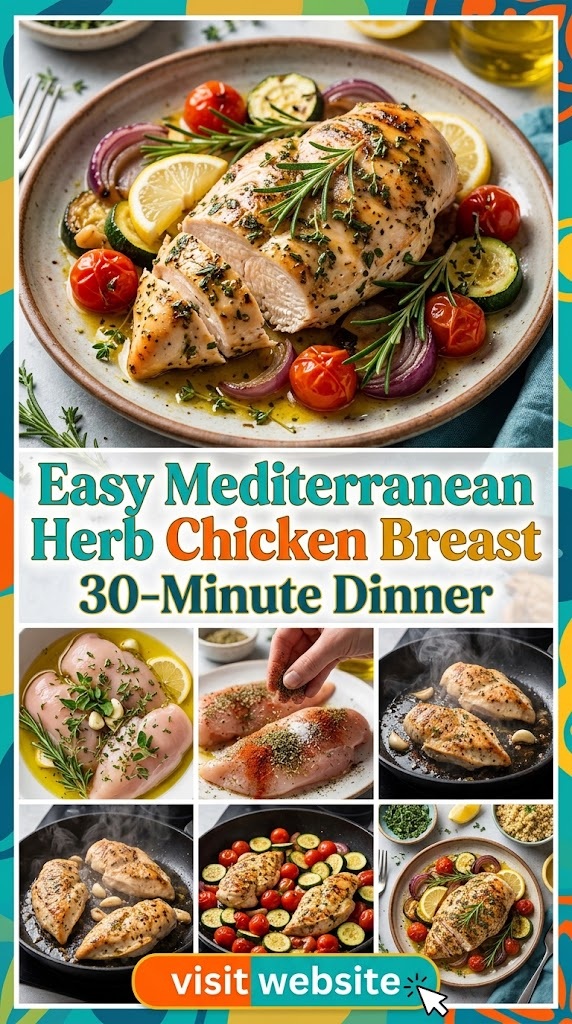
In the fast-paced world of modern living, the dinner table remains the final frontier of connection, health, and sensory delight. However, the perennial struggle for the home cook is balancing the desire for a gourmet, nutrient-dense meal with the reality of a ticking clock. Enter the Easy Mediterranean Herb Chicken Breast. This dish isn’t just a recipe; it is a philosophy of cooking that prioritizes high-quality fats, aromatic botanicals, and lean protein—all achievable in under 30 minutes.
The Mediterranean diet has long been hailed by nutritionists and chefs alike as the “Gold Standard” of eating. It’s a lifestyle that celebrates the natural flavors of the earth without over-complicating the process. This guide will walk you through every nuance of creating a restaurant-quality Mediterranean chicken dish that fits perfectly into a Tuesday night schedule while tasting like a Sunday feast.
Why the Mediterranean Herb Chicken Breast is Your New Secret Weapon
When we think of chicken breast, the word “dry” often comes to mind. It is a lean muscle, prone to overcooking. However, the Mediterranean method uses a combination of acidity, high-quality fats, and a specific searing technique to lock in moisture.
This recipe is:
- High in Protein: Essential for muscle repair and satiety.
- Heart-Healthy: Utilizing monounsaturated fats from Extra Virgin Olive Oil.
- Anti-Inflammatory: Packed with fresh herbs like rosemary and oregano.
- Versatile: It pairs with everything from quinoa and roasted vegetables to a simple Greek salad.
- Fast: 10 minutes of prep, 15-20 minutes of cooking.
The Science of Flavor: Understanding the Mediterranean Trio
To master this dish, one must understand the “Holy Trinity” of Mediterranean aromatics: Lemon, Garlic, and Dried Oregano.
1. The Role of Lemon (Acidity)
Lemon juice serves two purposes. First, it acts as a chemical tenderizer. The citric acid breaks down the tough protein fibers in the chicken breast, allowing for a more tender bite. Second, it provides a “brightness” that cuts through the richness of the olive oil, balancing the palate.
2. The Power of Garlic (Aromatics)
Garlic is the backbone of Mediterranean cuisine. When sautéed, it releases allicin, providing a pungent, savory depth that grounds the lighter herbal notes. In this 30-minute recipe, we use smashed cloves to infuse the oil without burning the garlic.
3. The Herb Profile (Earthiness)
While fresh herbs are fantastic, the Mediterranean tradition often relies on dried oregano and thyme because their oils are concentrated.
- Oregano: Provides a peppery, slightly bitter edge.
- Thyme: Offers a subtle minty, lemony undertone.
- Rosemary: Adds a woody, pine-like aroma that thrives under high heat.
The Essential Ingredients Checklist
Before you turn on the stove, ensure your pantry is stocked with these high-quality staples. Since this recipe has few ingredients, the quality of each matters significantly.
- Chicken Breasts: Look for air-dried, organic chicken if possible. Air-dried chicken has less water weight, meaning it will sear better rather than “steaming” in the pan.
- Extra Virgin Olive Oil (EVOO): Use a cold-pressed oil with a peppery finish. This is the primary fat source and provides a significant portion of the flavor profile.
- Fresh Lemons: Never use bottled juice. The volatile oils in the zest of a fresh lemon are irreplaceable.
- Garlic: Use fresh bulbs. Avoid the pre-minced jars, as they lack the sharp bite required for this dish.
- Dried Oregano and Thyme: Ensure your spices are fresh (not older than six months) for maximum potency.
- Sea Salt and Cracked Black Pepper: Salt is crucial for the “osmosis” process that keeps the chicken juicy.
Step-by-Step Instructions for the Perfect 30-Minute Dinner
Step 1: Prep and Butterfly (5 Minutes)
Chicken breasts are often uneven in thickness—thick at the top and thin at the tail. To ensure the chicken cooks evenly in 30 minutes, you must butterfly them.
- Place your hand flat on top of the chicken breast.
- Using a sharp chef’s knife, slice horizontally through the middle, stopping just before the other side.
- Open it like a book. This creates a uniform thickness that allows for a quick, even sear.
Step 2: The Quick Marinade (5 Minutes)
In a shallow bowl, whisk together 3 tablespoons of EVOO, the juice of half a lemon, 3 minced garlic cloves, 1 teaspoon of dried oregano, ½ teaspoon of dried thyme, and a generous pinch of salt and pepper.
- Toss the butterflied chicken in this mixture.
- Even 5 minutes of marinating at room temperature will significantly enhance the flavor.
Step 3: The Searing Process (10-12 Minutes)
Heat a large stainless steel or cast-iron skillet over medium-high heat. Add a tablespoon of olive oil.
- The Sizzle: When the oil shimmers, place the chicken in the pan. Do not crowd the pan; work in batches if necessary.
- The Crust: Let the chicken sit undisturbed for 5-6 minutes. This builds the “Maillard reaction”—the golden-brown crust that contains all the flavor.
- The Flip: Flip the chicken and cook for another 4-5 minutes.
- The Finish: During the last 2 minutes, add a knob of butter (optional) and a few sprigs of fresh rosemary to the pan. Baste the chicken with the infused oil.
Step 4: The Rest (5 Minutes)
This is the most ignored yet critical step. Transfer the chicken to a warm plate and tent it loosely with foil. Resting allows the juices to redistribute. If you cut it immediately, the moisture will escape, leaving you with dry meat.
Advanced Techniques: Achieving “Juiciness” Every Time
The biggest fear with chicken breast is “The Rubber Factor.” To avoid this, consider these professional tips:
The Internal Temperature Rule
Invest in an instant-read meat thermometer. The FDA recommends 165°F (74°C), but many chefs pull the chicken at 160°F and let the “carry-over cooking” during the resting phase bring it to 165°F. This results in much moister meat.
The Brining Secret
If you have an extra 15 minutes, soak the chicken in a simple salt-water solution (1 tablespoon salt per 2 cups water). This changes the cellular structure of the meat, allowing it to hold onto more water during the high-heat cooking process.
Deglazing the Pan
Once the chicken is out of the pan, don’t waste those brown bits (the fond). Pour in a splash of chicken stock or dry white wine, scrape the bottom of the pan, and squeeze in the rest of the lemon juice. Simmer for 2 minutes to create a pan sauce that is liquid gold.
Side Dish Pairings: Completing the Mediterranean Plate
A 30-minute dinner is only complete if the sides are just as efficient. Here are three pairings that fit the Mediterranean theme:
1. Lemon-Herb Pearl Couscous
Pearl (Israeli) couscous cooks in about 8-10 minutes. While the chicken is resting, boil the couscous, drain, and toss with fresh parsley, a drizzle of olive oil, and some toasted pine nuts.
2. The Classic Greek Salad
While the chicken sears, chop cucumbers, tomatoes, red onions, and Kalamata olives. Toss with a splash of red wine vinegar and top with a block of feta cheese. The coolness of the salad balances the warmth of the herb-crusted chicken.
3. Roasted Asparagus with Parmesan
Asparagus takes roughly 12 minutes in a 400°F oven. Toss them with the same olive oil and herbs you used for the chicken for a cohesive flavor profile.
Nutritional Profile: Why This Meal Wins
The Mediterranean Herb Chicken Breast isn’t just tasty; it’s a powerhouse of nutrition.
- Lean Protein: Each 6oz serving provides approximately 45g of protein, making it ideal for those following fitness-focused or weight-management diets.
- Monounsaturated Fats: By using olive oil instead of butter or seed oils, you’re providing your body with healthy fats that support brain health and lower “bad” cholesterol.
- Micronutrients:
- Garlic: Contains sulfur compounds that boost the immune system.
- Lemon: High in Vitamin C, which aids in the absorption of iron from the chicken.
- Rosemary: Contains rosmarinic acid, a potent antioxidant.
Variations for Special Diets
This recipe is naturally versatile and can be adapted for almost any dietary restriction:
- Keto/Low-Carb: Serve with cauliflower rice or zoodles (zucchini noodles) instead of grains.
- Paleo: Ensure your chicken is organic and omit any optional dairy (like butter or feta).
- Whole30: This recipe is naturally Whole30 compliant as long as you stick to EVOO and avoid wine for deglazing.
- GF (Gluten-Free): The chicken and herbs are naturally gluten-free; just ensure your side dishes (like quinoa or rice) are also safe.
The Art of Meal Prepping Mediterranean Chicken
This dish is a “meal prep superstar.” Because the chicken is cooked with plenty of fat and acidity, it stays moist even when reheated.
- Storage: Store in an airtight container for up to 4 days.
- Reheating Tip: Avoid the microwave if possible. Instead, slice the chicken and quickly toss it in a warm skillet with a tablespoon of water or broth to “steam” it back to life.
- Transformation: Use leftovers for a “Mediterranean Bowl.” Add hummus, tzatziki, pickled onions, and greens for a completely different meal the next day.
Common Mistakes and How to Avoid Them
Even with an easy recipe, pitfalls exist. Here’s how to navigate them:
- Using Cold Chicken: Taking chicken straight from the fridge to a hot pan causes the muscle fibers to seize, resulting in toughness. Let it sit on the counter for 15 minutes before cooking.
- Overcrowding the Pan: If the chicken pieces are touching, they will release steam. Steam prevents the golden-brown crust from forming. Use two pans or cook in batches.
- Washing the Chicken: Modern food safety experts advise against washing chicken, as it splashes bacteria around your sink. Pat the chicken dry with paper towels instead; dry skin sears better!
- Burning the Herbs: If using fresh herbs like parsley, add them at the very end. If using dried herbs or woody herbs like rosemary, they can withstand the heat.
The Cultural Heritage of the Ingredients
To truly appreciate the Easy Mediterranean Herb Chicken Breast, it helps to understand where these flavors come from. Mediterranean cuisine is a tapestry of cultures—Greek, Italian, Spanish, Moroccan, and Levantine.
- The Olive Tree: Known as the “Liquid Gold” by Homer, olive oil is the lifeblood of the Mediterranean. It’s more than a fat; it’s a preservative, a seasoning, and a medicine.
- Wild Oregano: In Greece, “Oregano” translates to “Joy of the Mountain.” It grows wild across the rocky hillsides, soaking up the Mediterranean sun, which is why the dried version is so much more potent than what you find in standard grocery stores.
- Garlic: Historically used by the builders of the pyramids and Olympic athletes for stamina, its inclusion in this dish provides more than just flavor; it provides energy.
Essential Kitchen Tools for Success
To make this a true 30-minute meal, having the right gear is essential:
- A Heavy Skillet: Cast iron or tri-ply stainless steel is best for heat retention.
- Tongs: For precise flipping without piercing the meat (which lets juices out).
- Microplane: Perfect for zesting the lemon and grating the garlic into a paste.
- Sharp Chef’s Knife: To butterfly the chicken safely and efficiently.
Frequently Asked Questions (FAQs)
Can I use chicken thighs instead of breasts?
Absolutely. Thighs are more forgiving because they have a higher fat content. You will need to increase the cooking time by about 3-5 minutes per side, but the flavor profile remains the same.
What if I don’t have fresh lemons?
While fresh is best, a teaspoon of white wine vinegar or apple cider vinegar can provide the necessary acidity in a pinch.
Is this recipe spicy?
No, this is a savory and bright dish. However, if you want some heat, a pinch of red pepper flakes (Aleppo pepper is a great Mediterranean choice) added to the marinade works wonders.
How do I get that “restaurant-style” golden color?
The secret is high heat and patience. Do not move the chicken once it hits the pan. It will naturally “release” from the surface when the crust is formed. If it’s sticking, it’s not ready to flip.
Leveling Up: Making Your Own Mediterranean Herb Blend
If you find yourself making this dinner once a week (which you likely will), consider making a bulk “Mediterranean Dry Rub.”
The Recipe:
- 4 tbsp Dried Oregano
- 2 tbsp Dried Thyme
- 1 tbsp Dried Rosemary (crushed)
- 1 tbsp Garlic Powder
- 1 tbsp Onion Powder
- 1 tsp Dried Lemon Peel
- 1 tsp Black Pepper
Keep this in a mason jar. When you’re in a rush, simply coat your chicken in olive oil and a tablespoon of this blend, and you’re ready to sear.
The Perfect Wine Pairings
If you’re serving this for a date night or a dinner party, the right wine will elevate the herbal notes of the chicken.
- Sauvignon Blanc: Its high acidity and citrus notes mirror the lemon in the chicken.
- Assyrtiko: A Greek white wine that is bone-dry and slightly salty—the ultimate Mediterranean pairing.
- Rosé: A dry Provence-style Rosé works beautifully with the herbs.
- Light Reds: If you prefer red, go for a Pinot Noir or a chilled Gamay. Avoid heavy, tannic reds like Cabernet Sauvignon, which will overwhelm the delicate herbs.
A Note on Sustainability
When shopping for this 30-minute dinner, consider the source of your ingredients. The Mediterranean diet is inherently tied to the land.
- Chicken: Choosing pasture-raised chicken supports better animal welfare and usually results in meat with a higher Omega-3 content.
- Herbs: Consider growing oregano and rosemary in a small kitchen windowsill pot. Not only is it cheaper, but the flavor of a freshly snipped herb is incomparable.
Conclusion: The Joy of Simple Cooking
The Easy Mediterranean Herb Chicken Breast is more than just a solution for a busy weeknight. It is a reminder that food doesn’t have to be complicated to be extraordinary. By focusing on the quality of your olive oil, the freshness of your lemon, and the technique of your sear, you can transform a humble piece of poultry into a culinary highlight.
This 30-minute dinner proves that you don’t have to sacrifice health for flavor, or time for quality. Whether you’re cooking for one or feeding a family, this recipe brings the sun-drenched flavors of the Mediterranean coast right into your kitchen. So, heat up your skillet, prep your herbs, and get ready to enjoy a meal that is as nourishing for the soul as it is for the body.
Recipe Summary Table
| Step | Action | Time | Key Tip |
|---|---|---|---|
| Prep | Butterfly and season chicken | 10 Min | Use room temp chicken |
| Sear | Cook in hot skillet with EVOO | 12 Min | Don’t move the meat! |
| Rest | Tent with foil on a plate | 5 Min | Essential for juiciness |
| Serve | Slice and add pan sauce | 3 Min | Garnish with fresh parsley |
Total Time: 30 Minutes Yield: 4 Servings Difficulty: Easy
By following this comprehensive guide, you are now equipped to master one of the most versatile and beloved dishes in the healthy cooking repertoire. Enjoy the process, and most importantly, enjoy every flavorful bite.