Homemade balsamic herb chicken and cheese skillet chicken
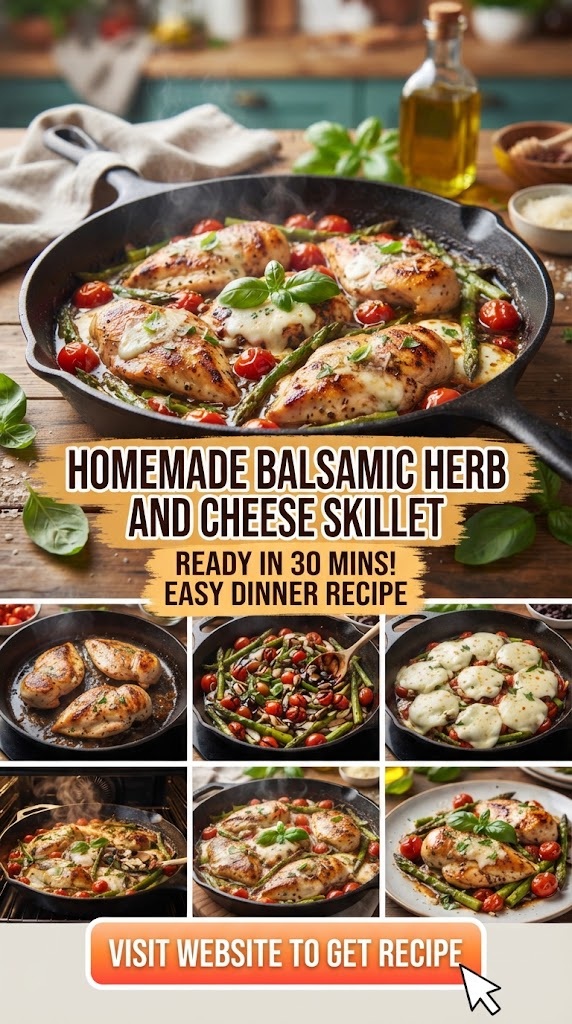
Homemade Balsamic Herb Chicken & Cheesy Skillet Chicken — Complete Recipe Guide
If you’re looking for a comforting homemade chicken dinner that is flavorful, juicy, and easy to prepare, these two skillet recipes are excellent choices: Balsamic Herb Chicken and Cheesy Skillet Chicken. Both are made primarily on the stovetop, use everyday ingredients, and can be prepared in one skillet for easier cleanup.
The balsamic version is savory, tangy, herby, and slightly sweet, while the cheesy version is creamy, rich, and comforting. You can serve either recipe with rice, pasta, mashed potatoes, roasted vegetables, salad, or crusty bread.
Part 1: Homemade Balsamic Herb Chicken
About the Recipe
Balsamic herb chicken combines tender chicken with a flavorful marinade and pan sauce made from balsamic vinegar, garlic, herbs, olive oil, and a little honey. Cooking the chicken in a skillet allows it to develop a beautifully browned exterior while the balsamic mixture reduces into a glossy sauce.
The key to a great result is not overcooking the chicken. Chicken breast can become dry if cooked too long, so pounding the breasts to an even thickness helps them cook uniformly.
Servings
4 people
Preparation time
15 minutes
Marinating time
30 minutes to 4 hours
Cooking time
20–25 minutes
Total time
Approximately 1 hour, depending on marinating time
Ingredients
For the chicken
- 4 boneless, skinless chicken breasts, approximately 150–200 g each
- 1 teaspoon salt
- ½ teaspoon freshly ground black pepper
- 1 teaspoon paprika
- 1 tablespoon olive oil
- 1 tablespoon butter
For the balsamic herb marinade
- ¼ cup balsamic vinegar
- 2 tablespoons olive oil
- 1 tablespoon honey or maple syrup
- 4 cloves garlic, finely minced
- 1 teaspoon dried Italian seasoning
- 1 teaspoon dried oregano
- ½ teaspoon dried thyme
- ½ teaspoon dried rosemary
- 1 tablespoon finely chopped fresh parsley
- 1 teaspoon Dijon mustard
- ½ teaspoon salt
- ¼ teaspoon black pepper
For the skillet sauce
- ½ cup chicken broth
- 2 tablespoons balsamic vinegar
- 1 teaspoon honey
- 1 tablespoon butter
- 1 teaspoon Dijon mustard
- 1 teaspoon fresh thyme leaves, optional
- 1 tablespoon chopped fresh parsley
- ½ teaspoon garlic powder, optional
- Salt and black pepper, to taste
Optional additions
You can also add:
- 1 cup sliced mushrooms
- 1 small onion, thinly sliced
- 1 cup cherry tomatoes
- 1 teaspoon red pepper flakes
- ½ cup baby spinach
- ½ cup grated Parmesan cheese
How to Prepare Balsamic Herb Chicken
Step 1: Prepare the Chicken
Place the chicken breasts on a clean cutting board.
If the breasts are very thick, place each one between two pieces of plastic wrap or parchment paper. Gently pound them with a meat mallet or rolling pin until they are approximately the same thickness throughout.
You do not need to make them extremely thin. The goal is simply to create an even thickness so the chicken cooks consistently.
Pat the chicken dry with paper towels.
Season both sides with salt, black pepper, and paprika.
Step 2: Make the Balsamic Marinade
In a medium bowl, combine:
- Balsamic vinegar
- Olive oil
- Honey
- Minced garlic
- Italian seasoning
- Oregano
- Thyme
- Rosemary
- Parsley
- Dijon mustard
- Salt
- Black pepper
Whisk everything together until the oil and vinegar are reasonably well combined.
The honey adds a touch of sweetness that balances the sharpness of the balsamic vinegar. Dijon mustard gives the marinade extra depth while also helping the ingredients emulsify.
Step 3: Marinate the Chicken
Place the chicken in a large resealable bag, shallow container, or bowl.
Pour approximately two-thirds of the marinade over the chicken.
Turn the chicken several times so every piece is coated.
Cover and refrigerate for at least 30 minutes.
For deeper flavor, you can marinate it for up to approximately 4 hours.
Do not use the marinade that has touched raw chicken as a finished sauce unless it is thoroughly cooked. Reserve the remaining untouched marinade separately if you want additional sauce.
Step 4: Heat the Skillet
Place a large heavy skillet over medium-high heat.
Cast iron, stainless steel, or another heavy-bottomed skillet works particularly well.
Add 1 tablespoon olive oil.
Once the oil is hot, carefully place the chicken into the skillet.
Do not overcrowd the pan. If necessary, cook the chicken in two batches.
Step 5: Brown the Chicken
Cook the chicken for approximately 4–6 minutes on the first side.
Do not constantly move it around.
Allowing the chicken to remain in contact with the hot skillet helps develop a golden-brown crust.
Turn the chicken and cook the other side for another 4–6 minutes.
The exact cooking time depends on the thickness of the chicken.
The chicken should eventually reach a safe internal temperature of 165°F / 74°C at the thickest part.
Transfer the cooked chicken to a clean plate.
Step 6: Make the Balsamic Pan Sauce
Reduce the heat to medium.
If there are burnt pieces in the skillet, carefully wipe them away. If there are flavorful browned bits, leave them because they will add flavor to the sauce.
Add:
- ½ cup chicken broth
- 2 tablespoons balsamic vinegar
- 1 teaspoon honey
- 1 teaspoon Dijon mustard
Whisk and scrape the bottom of the skillet with a wooden spoon.
The browned bits will dissolve into the sauce.
Allow the mixture to simmer for approximately 3–5 minutes.
The sauce should reduce slightly and become more concentrated.
Step 7: Finish the Sauce
Reduce the heat to low.
Add 1 tablespoon butter and stir until melted.
Add fresh thyme and parsley.
Taste the sauce.
If necessary, add:
- A little salt
- More black pepper
- A few drops of balsamic vinegar for additional acidity
- A small amount of honey if the sauce is too sharp
Return the chicken to the skillet.
Spoon the sauce over each piece.
Allow the chicken to simmer gently in the sauce for another 1–2 minutes.
Optional Balsamic Herb Chicken With Vegetables
For a complete one-pan meal, add vegetables.
Mushrooms
Slice approximately 1 cup mushrooms.
Sauté them in the skillet before cooking the chicken. Remove them, cook the chicken, and return the mushrooms when making the sauce.
Onions
Use one small yellow or red onion.
Slice thinly and sauté until softened and lightly browned.
Cherry tomatoes
Add 1 cup cherry tomatoes during the final stage of cooking.
They will soften and release some juice into the balsamic sauce.
Spinach
Add ½ cup to 1 cup baby spinach during the final 1–2 minutes.
Stir until just wilted.
How to Serve Balsamic Herb Chicken
Balsamic herb chicken pairs especially well with:
- Steamed white rice
- Brown rice
- Garlic mashed potatoes
- Roasted potatoes
- Buttered noodles
- Pasta
- Couscous
- Quinoa
- Roasted broccoli
- Green beans
- Asparagus
- Mixed green salad
- Crusty bread
For a beautiful presentation, place the chicken on a serving platter, spoon the balsamic sauce over it, and sprinkle with fresh parsley.
Balsamic Herb Chicken Tips
Don’t skip drying the chicken
Patting the chicken dry before seasoning helps the surface brown instead of simply steaming.
Don’t use excessive heat
Medium-high heat is enough to brown the chicken. Extremely high heat can burn the garlic and balsamic vinegar.
Don’t overcook the chicken
Use an instant-read thermometer when possible. Remove the chicken when it reaches a safe internal temperature of 165°F / 74°C.
Let the sauce reduce
A watery sauce won’t have the same concentrated flavor. Allow it to simmer briefly so the balsamic flavor becomes richer.
Balance the acidity
Balsamic vinegar can be quite sharp. Honey or maple syrup provides a gentle sweetness that creates a more balanced sauce.
Part 2: Cheesy Skillet Chicken
About the Recipe
Cheesy skillet chicken is a creamy, comforting dish made with browned chicken, garlic, herbs, cream or milk, and plenty of melted cheese.
The chicken is first browned in a skillet, then finished in a creamy sauce. Cheese is added near the end so it melts smoothly without becoming overly oily.
This recipe is particularly good for a quick family dinner.
Servings
4 people
Preparation time
15 minutes
Cooking time
25–30 minutes
Total time
Approximately 40–45 minutes
Ingredients for Cheesy Skillet Chicken
For the chicken
- 4 boneless, skinless chicken breasts
- 1 teaspoon salt
- ½ teaspoon black pepper
- 1 teaspoon paprika
- ½ teaspoon garlic powder
- ½ teaspoon onion powder
- ½ teaspoon dried Italian seasoning
- 2 tablespoons olive oil
- 1 tablespoon butter
For the creamy sauce
- 4 cloves garlic, minced
- 1 small onion, finely chopped
- 1 cup chicken broth
- 1 cup heavy cream
- ½ cup whole milk
- 1 teaspoon Dijon mustard
- ½ teaspoon paprika
- ½ teaspoon Italian seasoning
- ¼ teaspoon black pepper
- Salt, to taste
For the cheese
Use approximately 1½–2 cups total cheese.
A good combination is:
- 1 cup shredded mozzarella
- ½ cup cheddar cheese
- ¼ cup Parmesan cheese
You can change the combination depending on your preference.
Optional
- ½ cup cream cheese
- ½ cup sliced mushrooms
- 1 cup spinach
- ½ cup chopped bell peppers
- ½ teaspoon red pepper flakes
- Fresh parsley
- Fresh basil
Step 1: Prepare the Chicken
Trim any excess fat from the chicken.
If the breasts are very thick, slice them horizontally into thinner cutlets or gently pound them to an even thickness.
Season both sides with:
- Salt
- Black pepper
- Paprika
- Garlic powder
- Onion powder
- Italian seasoning
Press the seasoning gently onto the chicken.
Step 2: Brown the Chicken
Heat a large skillet over medium-high heat.
Add olive oil and butter.
Once the butter melts and begins to foam, carefully place the chicken into the skillet.
Cook for approximately 4–6 minutes on the first side.
Turn and cook for another 4–6 minutes.
The chicken does not necessarily need to be completely cooked through at this stage if you will finish it in the sauce, but it should be well browned on the outside.
Transfer the chicken to a clean plate.
Step 3: Cook the Aromatics
Reduce the heat to medium.
Add the chopped onion to the same skillet.
Cook for approximately 2–3 minutes.
Add the minced garlic.
Cook for another 30–60 seconds.
Be careful not to burn the garlic.
If using mushrooms, add them now and cook until they release their moisture and become lightly browned.
Step 4: Deglaze the Skillet
Pour in the chicken broth.
Use a wooden spoon to scrape the bottom of the skillet.
This is important because the browned pieces left behind by the chicken contain a great deal of flavor.
Allow the broth to simmer for approximately 2 minutes.
Step 5: Make the Creamy Sauce
Lower the heat to medium-low.
Add:
- Heavy cream
- Milk
- Dijon mustard
- Paprika
- Italian seasoning
- Black pepper
Stir everything together.
Allow the sauce to gently simmer for approximately 3–5 minutes.
Do not boil the cream aggressively.
A gentle simmer is enough.
If you want an especially rich sauce, add approximately ½ cup cream cheese and stir until completely melted.
Step 6: Add the Chicken Back
Return the browned chicken to the skillet.
Spoon some sauce over the chicken.
Cover the skillet loosely with a lid.
Cook over low to medium-low heat for approximately 5–8 minutes, depending on the thickness of the chicken.
Check the thickest part with a meat thermometer.
The chicken should reach 165°F / 74°C.
Step 7: Add the Cheese
Once the chicken is cooked, reduce the heat to low.
Sprinkle the mozzarella and cheddar evenly over the chicken and sauce.
Add Parmesan on top.
Cover the skillet for approximately 2–3 minutes.
The trapped heat will melt the cheese.
For a browned cheese topping, you can transfer an oven-safe skillet to a preheated broiler for a short period, watching carefully so the cheese does not burn.
Step 8: Finish the Cheesy Chicken
Once the cheese has melted, turn off the heat.
Sprinkle with freshly chopped parsley or basil.
Allow the skillet to rest for approximately 3–5 minutes before serving.
This gives the sauce a little time to thicken.
Adding Spinach
Spinach is an easy way to add vegetables to cheesy skillet chicken.
Add approximately 1 cup baby spinach to the sauce during the final 2–3 minutes.
Stir gently until the spinach wilts.
You can also use:
- Kale
- Swiss chard
- Broccoli
- Zucchini
- Bell peppers
- Mushrooms
Adding Mushrooms
Mushrooms work particularly well with the creamy cheese sauce.
Use approximately 200 g sliced mushrooms.
Cook them in the skillet until they are browned before adding the cream.
Don’t immediately add cream while the mushrooms are still releasing lots of water, because the sauce can become thinner than desired.
Adding Sun-Dried Tomatoes
For a richer Italian-style version, add approximately ½ cup chopped sun-dried tomatoes.
Their concentrated sweet and tangy flavor works extremely well with the creamy cheese sauce.
You can also add a small amount of red pepper flakes for heat.
How to Make the Chicken Extra Juicy
One of the most important parts of skillet chicken is controlling the cooking temperature.
Chicken breasts contain relatively little fat, so they can become dry if they are cooked too long.
Follow these techniques:
- Pound thick chicken breasts to an even thickness.
- Season before cooking.
- Preheat the skillet properly.
- Brown the chicken without moving it constantly.
- Finish the chicken gently in the sauce.
- Use an instant-read thermometer.
- Remove the chicken once it reaches 165°F / 74°C.
- Allow it to rest for several minutes before serving.
Balsamic Herb Chicken vs. Cheesy Skillet Chicken
| Feature | Balsamic Herb Chicken | Cheesy Skillet Chicken |
|---|---|---|
| Flavor | Tangy, herby, slightly sweet | Creamy, rich, savory |
| Main sauce | Balsamic pan sauce | Creamy cheese sauce |
| Cheese | Optional | Essential |
| Cooking style | Skillet | Skillet |
| Best with | Rice, potatoes, vegetables | Pasta, rice, potatoes |
| Spice level | Mild | Mild |
| Preparation | Easy | Easy |
| Best for | Lighter-tasting dinner | Comfort-food dinner |
Complete Dinner Serving Ideas
Balsamic Dinner
For a balanced meal, serve:
Balsamic herb chicken + garlic mashed potatoes + roasted green beans + fresh salad
The acidity of the balsamic sauce helps balance the richness of the potatoes.
Cheesy Dinner
For a hearty meal, serve:
Cheesy skillet chicken + pasta + steamed broccoli + garlic bread
The pasta is excellent for absorbing the creamy cheese sauce.
Storage Instructions
Allow leftover chicken to cool before transferring it to an airtight container.
Refrigerate within approximately 2 hours of cooking.
The leftovers can generally be refrigerated for 3–4 days when stored properly.
For the best texture, store the chicken and sauce together.
How to Reheat
Microwave
Place one serving in a microwave-safe dish.
Cover loosely.
Heat in short intervals, stirring or turning the chicken as appropriate.
Avoid overheating because it can make chicken tough and cause creamy sauces to separate.
Stovetop
Place the chicken and sauce into a skillet.
Add a splash of chicken broth, milk, or water.
Warm gently over low heat until hot throughout.
This is usually the best method for maintaining the sauce’s texture.
Can You Freeze These Recipes?
The balsamic chicken freezes better than the creamy cheese version.
Balsamic chicken
Cool completely and store in a freezer-safe container.
Freeze for up to approximately 2–3 months for best quality.
Thaw in the refrigerator before reheating.
Cheesy chicken
You can freeze it, but creamy sauces containing dairy can sometimes separate after freezing and thawing.
For the best result, make the chicken fresh and prepare the sauce fresh when possible.
Frequently Asked Questions
Can I use chicken thighs?
Yes. Boneless, skinless chicken thighs are excellent for both recipes and are naturally more forgiving than chicken breast.
They may require a slightly different cooking time depending on their size.
Always check that the thickest part reaches 165°F / 74°C.
Can I use chicken tenderloins?
Yes. Chicken tenderloins cook faster, so reduce the cooking time and monitor their temperature carefully.
Can I use bottled balsamic dressing?
It is better to use actual balsamic vinegar rather than prepared salad dressing.
Balsamic dressing can contain additional oil, sugar, and seasonings that may alter the sauce.
Can I use dried herbs?
Absolutely.
Dried oregano, thyme, rosemary, and Italian seasoning work very well.
Fresh herbs can be added near the end for a brighter flavor.
What cheese works best?
For melting, mozzarella is excellent.
Cheddar provides stronger flavor.
Parmesan adds saltiness and a nutty character.
A combination of all three gives the sauce both flavor and good melting characteristics.
Can I make the cheesy chicken without heavy cream?
Yes.
Use whole milk instead, although the sauce will be thinner.
For a thicker sauce, you can add a small amount of cream cheese or use a little cornstarch slurry.
To make a slurry, mix approximately 1 teaspoon cornstarch with 1 tablespoon cold water and stir it into the simmering sauce.
Can I make either recipe spicy?
Yes.
Add:
- Red pepper flakes
- Cayenne pepper
- Chopped jalapeño
- Chili flakes
- Hot sauce
For the balsamic recipe, start with a small amount because excessive heat can overpower the herbs and balsamic flavor.
Chef’s Tips for the Best Results
1. Use a heavy skillet
A heavy skillet distributes heat more evenly and creates better browning.
2. Don’t overcrowd the pan
Too much chicken at once lowers the temperature and causes steaming instead of browning.
3. Use freshly minced garlic
Fresh garlic provides much more aroma than pre-ground garlic powder, although garlic powder is still useful for seasoning the chicken.
4. Don’t burn the garlic
Garlic can turn bitter quickly. Add it after the onions have softened and cook it only briefly.
5. Control the sauce temperature
Creamy sauces should simmer gently rather than boil violently.
6. Taste before serving
Taste the sauce and adjust salt, pepper, acidity, or sweetness as needed.
7. Rest the chicken
A short resting period helps keep the chicken juicy and allows the sauce to settle.
Final Recipe Summary
Balsamic Herb Chicken
Chicken: 4 boneless chicken breasts
Flavor base: balsamic vinegar, garlic, olive oil, honey, Dijon mustard, oregano, thyme, rosemary
Sauce: chicken broth, balsamic vinegar, honey, Dijon, butter, herbs
Cooking: Brown chicken → make pan sauce → return chicken → simmer gently → garnish with herbs.
The finished chicken should be tender with a browned exterior and coated in a glossy, tangy-sweet balsamic herb sauce.
Cheesy Skillet Chicken
Chicken: 4 boneless chicken breasts
Flavor base: paprika, garlic, onion, Italian herbs
Sauce: chicken broth, cream, milk, Dijon mustard
Cheese: mozzarella, cheddar, Parmesan
Cooking: Season chicken → brown → sauté aromatics → deglaze → make cream sauce → return chicken → add cheese → melt → garnish.
The finished dish should have tender chicken surrounded by a creamy, savory sauce with a generous layer of melted cheese.
The Best Overall Method
If you’re making either recipe for the first time, the most important things to remember are evenly sized chicken, proper browning, moderate heat, and checking the internal temperature. The sauces provide most of the character, so taste them before serving and adjust the seasoning to your preference.
For a bright, tangy, herb-forward meal, choose the Balsamic Herb Chicken.
For a rich, creamy, cheesy comfort-food dinner, choose the Cheesy Skillet Chicken.
Both recipes can be prepared in a single skillet and customized with mushrooms, spinach, tomatoes, onions, vegetables, herbs, or your favorite side dishes.