Ultimate Guide to Dog Health: Top Tips for a Happy, Healthy Life
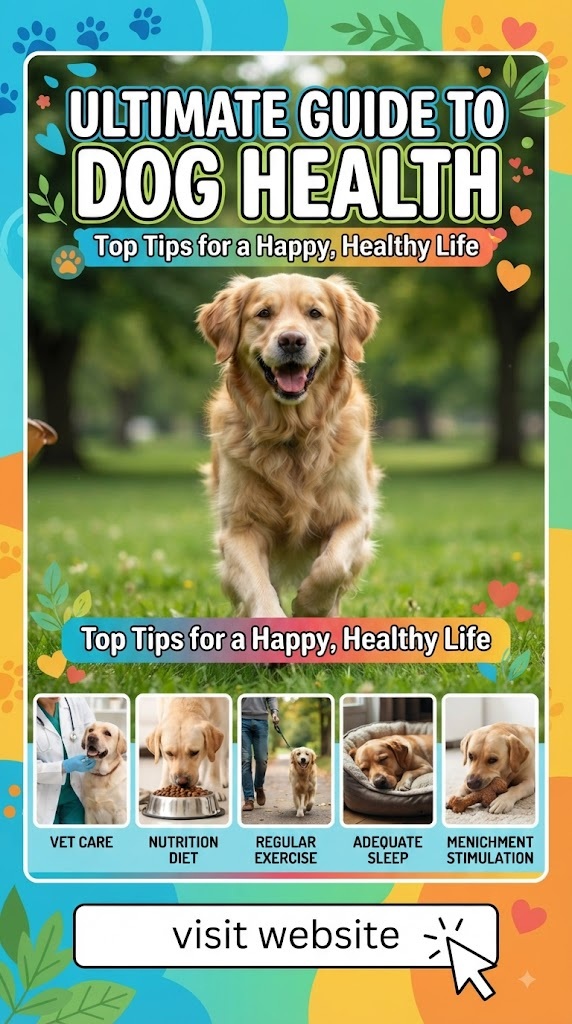
Ultimate Guide to Dog Health: Top Tips for a Happy, Healthy Life
Taking care of a dog’s health is about much more than providing food and shelter. A healthy dog needs proper nutrition, regular exercise, preventive veterinary care, good hygiene, mental stimulation, a safe environment, and plenty of love and attention. The following step-by-step guide covers the major areas every dog owner should understand.
1. Start With a Complete Veterinary Checkup
The first step toward good dog health is establishing a relationship with a qualified veterinarian.
During a routine examination, the veterinarian can:
- Check your dog’s heart, lungs, eyes, ears, teeth, skin, coat, and body condition.
- Discuss vaccination requirements.
- Recommend parasite prevention.
- Monitor your dog’s weight and growth.
- Identify potential health problems before they become serious.
- Discuss your dog’s diet, exercise, and lifestyle.
Puppies, senior dogs, and dogs with existing health problems may need more frequent examinations.
2. Provide a Balanced, Appropriate Diet
Nutrition has a major effect on your dog’s energy, weight, digestion, skin, coat, and overall health.
Choose food appropriate for your dog’s:
- Age: puppy, adult, or senior.
- Size: small, medium, or large breed.
- Activity level: active, working, or relatively sedentary.
- Health needs: some dogs require specially formulated diets.
Follow the feeding guidance on the food packaging, but remember that individual calorie needs vary. Your veterinarian can help determine an appropriate portion.
Always provide fresh, clean drinking water and make sure your dog can access it throughout the day.
Avoid giving dogs potentially dangerous foods such as chocolate, grapes and raisins, onions, garlic, xylitol-containing products, and alcohol.
3. Maintain a Healthy Weight
Keeping your dog at an appropriate weight can reduce the risk of numerous health problems.
Check your dog regularly for changes in body shape and weight. A dog that is gaining excessive weight may need adjustments to food portions, treats, or exercise.
Avoid using treats as a large part of your dog’s daily calories. Small, healthy treats can be useful for training, but moderation is important.
If your dog suddenly gains or loses weight without an obvious reason, speak with a veterinarian.
4. Give Your Dog Regular Exercise
Exercise helps maintain healthy muscles, joints, cardiovascular fitness, and body weight. It also gives dogs an opportunity to explore their environment and release energy.
Depending on the dog, exercise can include:
- Walking.
- Playing fetch.
- Running.
- Swimming where safe and appropriate.
- Agility or other activities.
- Interactive games.
- Supervised outdoor play.
The right amount depends on breed, age, health, fitness, weather, and individual temperament. Start gradually if your dog is not accustomed to exercise.
Avoid intense exercise in extreme heat, and provide opportunities for rest and water.
5. Keep Your Dog Mentally Stimulated
Physical exercise alone isn’t always enough. Dogs also need mental stimulation.
Try:
- Puzzle feeders.
- Training sessions.
- Hide-and-seek games.
- Scent games.
- New walking routes.
- Appropriate chew toys.
- Learning new commands and tricks.
Short training sessions can provide mental exercise while strengthening communication between you and your dog.
6. Take Care of Dental Health
Dental care is an important part of overall dog health.
Ideally, introduce tooth brushing gradually and use toothpaste specifically made for dogs. Human toothpaste may contain ingredients that are unsafe for dogs.
Look for warning signs such as:
- Persistent bad breath.
- Red or swollen gums.
- Difficulty chewing.
- Excessive drooling.
- Loose or damaged teeth.
- Reduced interest in food.
Regular veterinary dental examinations can help identify problems that aren’t obvious at home.
7. Maintain Healthy Skin and Coat
Regular grooming helps keep your dog comfortable and allows you to notice changes early.
Depending on your dog’s coat, grooming may include:
- Brushing regularly.
- Bathing when necessary.
- Checking for parasites.
- Cleaning dirty areas appropriately.
- Keeping nails at a suitable length.
- Checking the skin for lumps, wounds, irritation, or unusual changes.
Dogs have different grooming requirements, so the frequency of brushing and bathing should be adapted to the individual dog.
8. Keep Ears Clean and Monitor Them
Some dogs are particularly prone to ear problems.
Check the ears regularly for:
- Redness.
- Swelling.
- Unusual odor.
- Excessive wax or discharge.
- Frequent scratching.
- Repeated head shaking.
Don’t insert objects deep into the ear canal. If you notice signs of infection or persistent irritation, have your dog examined by a veterinarian.
9. Trim Nails Safely
Overgrown nails can become uncomfortable and may affect the way a dog walks.
Trim them gradually and carefully, or have a professional groomer or veterinarian do it if you’re uncomfortable performing the task.
If your dog’s nails are dark, trimming can be more difficult because the sensitive inner portion is harder to see. Learning proper technique can help prevent accidental injury.
10. Stay Up to Date With Preventive Healthcare
Preventive care can protect your dog from several avoidable diseases and parasite problems.
Discuss with your veterinarian an appropriate schedule for:
- Vaccinations.
- Flea and tick prevention.
- Internal parasite control.
- Heartworm prevention where relevant.
- Routine health examinations.
- Dental care.
The correct preventive plan depends on your dog’s age, location, lifestyle, travel, and exposure risks.
11. Protect Your Dog From Parasites
Fleas, ticks, intestinal parasites, and other parasites can cause significant problems.
Check your dog regularly, especially after outdoor activities. Follow veterinary advice regarding preventive treatments rather than using products randomly or combining products without professional guidance.
If you discover ticks, fleas, worms, or unusual symptoms, contact your veterinarian for appropriate treatment.
12. Create a Safe Home Environment
Dogs are naturally curious, so household safety is essential.
Keep potentially dangerous substances away from your dog, including:
- Human medications.
- Cleaning chemicals.
- Certain foods.
- Toxic plants.
- Batteries.
- Small objects that could be swallowed.
- Sharp items.
- Unsafe household products.
Secure garbage bins and make sure doors, gates, balconies, and fences cannot provide easy opportunities for escape.
13. Provide a Comfortable Sleeping Area
Your dog should have a clean, comfortable place to rest.
A good sleeping area should be:
- Dry.
- Comfortable.
- Appropriately sized.
- Away from dangerous objects.
- Protected from extreme temperatures.
- Easy to clean.
Older dogs may benefit from supportive bedding, particularly if they have mobility or joint issues.
14. Pay Attention to Changes in Behavior
Behavior can provide important clues about a dog’s health.
Watch for changes such as:
- Suddenly becoming unusually quiet.
- Hiding.
- Becoming unusually aggressive or anxious.
- Sleeping significantly more than normal.
- Losing interest in activities.
- Excessive licking or scratching.
- Changes in bathroom habits.
- Reduced appetite.
- Unusual vocalization.
A sudden or persistent behavioral change deserves attention, particularly when accompanied by physical symptoms.
15. Know Your Dog’s Normal Routine
One of the best ways to identify illness early is to know what is normal for your individual dog.
Pay attention to:
- Normal appetite.
- Normal water consumption.
- Typical energy level.
- Normal bowel movements.
- Normal urination.
- Typical sleeping pattern.
- Normal breathing.
- Usual body weight.
- Normal behavior.
When you know your dog’s baseline, unusual changes become easier to recognize.
16. Recognize Potential Emergency Symptoms
Some symptoms require prompt veterinary attention. Seek urgent professional care if your dog experiences serious problems such as:
- Difficulty breathing.
- Collapse or loss of consciousness.
- Severe bleeding.
- Repeated seizures.
- Severe injury.
- Suspected poisoning.
- Extreme weakness.
- A suddenly swollen abdomen accompanied by distress.
- Inability to urinate.
- Persistent vomiting or severe diarrhea, especially with weakness or blood.
- Severe heat-related illness.
When in doubt, contact a veterinarian or emergency veterinary service rather than waiting for symptoms to worsen.
17. Give Puppies Extra Attention
Puppies have different health requirements from adult dogs.
They need appropriate:
- Nutrition.
- Vaccination and preventive-care schedules.
- Socialization.
- Training.
- Exercise appropriate for their development.
- Safe chewing opportunities.
- Sleep and rest.
Puppy-proof your home because young dogs frequently investigate objects with their mouths.
18. Adjust Care as Your Dog Ages
A senior dog may need changes to its diet, exercise routine, sleeping arrangements, and veterinary monitoring.
Watch for changes in:
- Mobility.
- Hearing.
- Vision.
- Appetite.
- Weight.
- Cognitive behavior.
- Sleep.
- Bathroom habits.
- Interaction with people and other animals.
Don’t assume every change is simply “old age.” Some age-related symptoms can be associated with treatable medical conditions.
19. Build a Strong Relationship Through Training
Positive, consistent training helps dogs understand what is expected of them and can improve safety.
Focus on useful commands such as:
- Sit.
- Stay.
- Come.
- Leave it.
- Drop it.
- Wait.
Reward desired behavior and avoid harsh punishment. Consistency among everyone in the household makes training easier for the dog to understand.
20. Give Your Dog Social and Emotional Care
Dogs are social animals, and emotional well-being is an important part of their overall quality of life.
Spend time interacting with your dog through:
- Play.
- Walks.
- Training.
- Grooming.
- Calm companionship.
- Age-appropriate social activities.
Pay attention to signs of fear or stress and give your dog a safe place where it can rest undisturbed.
21. Keep an Emergency Plan
Every dog owner should know what to do if something goes wrong.
Keep important information readily available, including:
- Your veterinarian’s contact information.
- An emergency veterinary clinic.
- Your dog’s medical records.
- Vaccination information.
- Current medications.
- Identification and microchip information.
- Important medical history.
A basic pet first-aid kit can also be useful, but it should not replace professional veterinary treatment.
22. Follow a Simple Daily Health Routine
A practical daily routine can look like this:
Morning
- Provide fresh water.
- Feed an appropriate portion.
- Check your dog’s general behavior and energy.
- Take your dog outside for appropriate exercise and bathroom needs.
During the day
- Provide mental stimulation.
- Offer appropriate play.
- Monitor eating, drinking, and bathroom habits.
- Keep the environment safe.
Evening
- Provide the appropriate meal.
- Give your dog another opportunity for exercise or a calm walk.
- Check paws, coat, and general condition.
- Make sure fresh water is available.
- Provide a comfortable place to sleep.
23. Create a Long-Term Health Schedule
A simple schedule makes preventive care easier to manage.
Daily:
Food, fresh water, exercise, mental stimulation, bathroom monitoring, and a quick health/behavior check.
Weekly:
Grooming as appropriate, weight/body-condition awareness, and a more thorough inspection of skin, ears, paws, and coat.
Regularly:
Nail care, dental care, parasite prevention, vaccinations, and veterinary examinations according to professional advice.
Throughout life:
Adjust nutrition, exercise, preventive care, and veterinary monitoring as your dog’s age and health needs change.
Final Thoughts
A healthy dog is the result of consistent everyday care rather than one single action. Good nutrition, appropriate exercise, preventive veterinary care, dental and grooming routines, parasite protection, mental stimulation, safety, and emotional companionship all work together.
Most importantly, learn your dog’s normal habits and take changes seriously. Early recognition of a health problem can make a significant difference, so consult a veterinarian whenever you’re concerned about your dog’s condition.