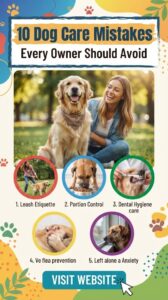
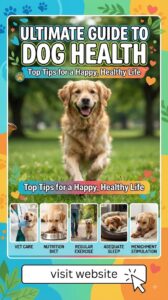
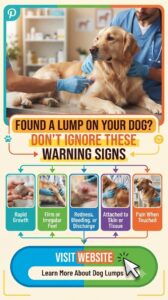
Complete Dog Care Guide for Beginners
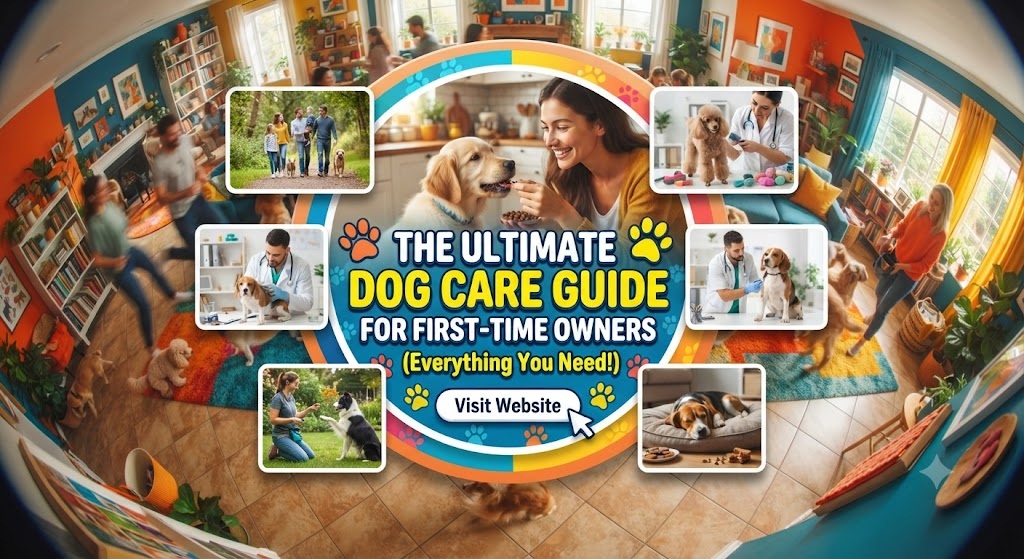
Manual for New Paw-rents: A Complete Guide to Raising a Happy, Healthy Dog
Becoming a dog owner is one of life’s most rewarding experiences. It is the beginning of a journey filled with wet kisses, wagging tails, and a level of loyalty that is truly unparalleled. However, bringing a canine companion into your home is also a massive responsibility that requires preparation, patience, and a lot of learning.
Whether you are bringing home a tiny puppy or a dignified senior rescue, this comprehensive guide will walk you through every stage of dog care, from the first night home to lifelong health and happiness.
Part 1: Choosing the Right Canine Companion
Before you even buy a leash, you must ask yourself: “What kind of dog fits my lifestyle?” Choosing a dog based on looks alone is the most common mistake beginners make.
Assessing Your Lifestyle
Dogs have varying energy levels, temperaments, and needs. Consider the following:
- Activity Level: Do you run 5 miles a day, or do you prefer binge-watching Netflix? A Border Collie will be miserable in a sedentary home, while a Basset Hound might struggle with an ultra-marathoner.
- Living Space: While many large dogs do well in apartments if exercised properly, some breeds (like Great Danes) simply need more physical “turning room.”
- Time Commitment: Puppies require constant supervision and training. If you work 10 hours a day and live alone, an adult dog or a professional dog walker is a must.
Breed vs. Rescue
- Reputable Breeders: If you have your heart set on a specific breed, do your research. A good breeder performs genetic testing and prioritizes the health and temperament of the pups over profit.
- Shelters and Rescues: Adopting a “mutt” or a rescue dog is incredibly rewarding. Shelters often have a wide variety of personalities, and many adult dogs are already house-trained.
Part 2: The Essential “New Dog” Checklist
Before your dog steps paw inside your home, you need the right gear. Being prepared reduces stress for both you and your new pet.
The Basics
- High-Quality Food: Choose a formula appropriate for your dog’s age (puppy, adult, or senior).
- Bowls: Stainless steel or ceramic are preferred over plastic, which can harbor bacteria and cause “canine acne.”
- Leash and Collar/Harness: A 6-foot nylon leash is standard. Harnesses are often better for dogs that pull or have respiratory issues (like Pugs).
- Identification: A collar tag with your phone number is vital. Additionally, ensure your dog is microchipped.
Comfort and Safety
- A Crate: Crates serve as a “den” and are essential for house-training and safety when you aren’t home.
- Bedding: A washable, comfortable bed that fits their size.
- Baby Gates: Useful for “dog-proofing” certain areas of the house during the transition period.
- Toys: Provide a mix of chew toys (for teething/boredom) and interactive toys (like puzzles) for mental stimulation.
Part 3: Nutrition — Fueling the Wag
Nutrition is the foundation of your dog’s health. A poor diet can lead to obesity, skin issues, and a weakened immune system.
Understanding Food Labels
The first five ingredients on the bag are the most important. Look for named protein sources (e.g., “Chicken” or “Lamb”) rather than “Meat By-Products.” Avoid foods with excessive fillers like corn, soy, and wheat if your dog shows signs of allergies.
How Much to Feed?
Overfeeding is the fastest way to shorten a dog’s life. Obesity in dogs leads to joint pain, diabetes, and heart disease. Use the feeding guide on the packaging as a starting point, but adjust based on your dog’s activity level. You should be able to feel your dog’s ribs but not see them.
Toxic Foods to Avoid
Keep these far away from your dog’s reach:
- Chocolate and Caffeine: Contains methylxanthines which are toxic.
- Grapes and Raisins: Can cause sudden kidney failure.
- Onions and Garlic: Can damage red blood cells.
- Xylitol: An artificial sweetener found in gum and some peanut butters; it is deadly to dogs.
- Macadamia Nuts: Can cause weakness, vomiting, and tremors.
Part 4: Training and Socialization
A well-behaved dog is a happy dog. Training isn’t just about “parlor tricks”; it’s about communication and safety.
The Power of Positive Reinforcement
Modern dog training focuses on rewarding good behavior rather than punishing bad behavior. Use high-value treats, praise, and play to encourage your dog. When a dog associates a command with a positive outcome, they are much more likely to repeat it.
The Core Commands
Every dog should know these five basics:
- Sit: The foundation for all other training.
- Stay: A potential life-saver in dangerous situations.
- Come (Recall): Crucial for off-leash safety.
- Down: Helps calm an excited dog.
- Leave It: Prevents the dog from eating something dangerous.
Socialization: The Critical Window
If you have a puppy, the period between 3 and 16 weeks is the “critical socialization window.” Expose them to new sights, sounds, people, and other vaccinated animals. For older dogs, socialization should be gradual. Never force a dog into a situation where they feel threatened.
Part 5: Grooming and Hygiene
Grooming isn’t just about making your dog look “pretty”—it’s a vital part of their physical health.
Coat Care
- Brushing: Reduces shedding and prevents painful mats. Long-haired breeds may need daily brushing, while short-haired breeds only need it once a week.
- Bathing: Most dogs only need a bath every 4–8 weeks. Over-bathing can strip the skin of essential oils, leading to irritation.
Dental Health
Periodontal disease is incredibly common in dogs. Ideally, you should brush your dog’s teeth daily with dog-specific toothpaste. If that’s not possible, provide dental chews and have their teeth professionally cleaned by a vet once a year.
Nail Trimming
If you can hear your dog’s nails clicking on the floor, they are too long. Long nails can cause the toes to splay and lead to joint issues. Aim for a trim every 2–4 weeks.
Part 6: Health and Preventative Care
As a dog owner, you are the first line of defense against illness.
The Importance of Vet Visits
Puppies need a series of vaccinations (Distemper, Parvo, Rabies) every few weeks. Adults should see a vet at least once a year for a wellness exam and blood work.
Parasite Prevention
- Fleas and Ticks: These aren’t just annoying; they carry diseases like Lyme disease. Use a monthly preventative.
- Heartworm: Transmitted by mosquitoes, heartworm is potentially fatal and expensive to treat. Prevention is a simple monthly pill or a bi-annual injection.
Signs Your Dog Might Be Sick
Dogs are masters at hiding pain. Watch for:
- Changes in appetite or water consumption.
- Lethargy or unusual tiredness.
- Changes in stool or frequency of urination.
- Lumping, bumping, or unusual swelling.
- Excessive scratching or licking.
Part 7: Exercise and Mental Stimulation
A tired dog is a good dog. Physical exercise is obvious, but mental exercise is often overlooked.
Physical Needs
Different breeds have different requirements. A Greyhound might enjoy a “zoomie” followed by 20 hours of sleep, while a Lab might need an hour of fetching. Aim for at least two walks a day, regardless of breed.
Mental Workouts
Dogs are intelligent creatures. Without mental stimulation, they become destructive (chewing furniture, digging holes).
- Puzzle Feeders: Make them work for their kibble.
- Scent Work: Hide treats around the house for them to find.
- Training Sessions: 15 minutes of learning new tricks is as exhausting as a long walk.
Part 8: House-Training and Behavior Management
One of the biggest hurdles for beginners is potty training.
The Routine
Dogs thrive on schedules. Take your dog out:
- First thing in the morning.
- After every meal.
- After a nap.
- After a play session.
- Right before bed.
If an accident happens indoors, do not scold them. They won’t understand why you’re angry; they will just learn to be afraid of you. Clean it with an enzymatic cleaner to remove the scent, and try to catch them sooner next time.
Addressing Separation Anxiety
Many dogs struggle when left alone. To prevent this, practice “short departures.” Leave the house for 5 minutes, then 10, then 20, gradually building up their confidence. Never make a big deal out of leaving or coming home; keep it calm and low-key.
Part 9: The Golden Years — Senior Dog Care
As your dog ages (usually around 7–10 years old), their needs will change.
- Dietary Shifts: Senior dogs often need fewer calories but more joint supplements (like Glucosamine and Chondroitin).
- Mobility: Provide ramps for cars or beds and use non-slip rugs on hardwood floors.
- Increased Vet Visits: Twice-yearly exams are recommended for seniors to catch age-related issues like kidney disease or arthritis early.
Part 10: The Emotional Bond
At the end of the day, dog care isn’t just about logistics; it’s about the relationship. Spend time just “being” with your dog. Pet them, talk to them, and learn their unique “language.” Every tail wag, ear flick, and bark is a form of communication. When you invest time and love into your dog, they will repay you tenfold with a lifetime of devotion.
20 High-CTR, SEO-Friendly, and Viral Title Ideas for Dog Care
To ensure your content reaches the widest audience possible, here are 20 title ideas categorized by their “hook” type:
The “Ultimate Guide” Hooks (Best for SEO)
- The Ultimate Dog Care Handbook: Everything You Need to Know From Puppy to Senior.
- The Complete Beginner’s Guide to Raising a Happy, Healthy Dog.
- Dog Ownership 101: The Comprehensive Manual for First-Time Paw-rents.
- Everything You Need to Know About Dog Care in 2024: A Step-by-Step Guide.
- The Only Dog Care Checklist You’ll Ever Need: From First Night to Forever.
The “Listicle/Number” Hooks (High Click-Through Rate)
- 10 Essential Things Every New Dog Owner Must Know Before Day One.
- 7 Deadly Mistakes New Dog Owners Make (And How to Avoid Them).
- 15 Pro-Tips for Raising a Well-Behaved Dog Without Stress.
- The Top 5 Secrets to a Longer, Healthier Life for Your Dog.
- 20 Must-Have Items Every New Dog Owner Needs to Buy Right Now.
The “Viral/Emotional” Hooks (Great for Social Media)
- Is Your Dog Happy? 5 Signs You’re Doing a Great Job (And 3 You’re Not).
- The Surprising Reason Your Dog Does This—And Why You Should Pay Attention.
- How to Transform Your Relationship With Your Dog in Just 30 Days.
- What Your Dog Wishes You Knew: A Guide to Canine Language and Care.
- Stop Doing These 5 Things If You Want Your Dog to Trust You.
The “Benefit-Driven” Hooks (Focuses on Results)
- How to Potty Train Your Puppy in 7 Days: The Ultimate Stress-Free Method.
- Save Money and Stress: The Preventative Dog Care Guide Every Owner Needs.
- The Science-Backed Guide to Raising the Most Loyal Dog on the Block.
- How to Feed Your Dog for Longevity: The Ultimate Nutrition Masterclass.
- From Chaotic to Calm: How to Train Your High-Energy Dog Like a Pro.