How to Prevent Dog Obesity
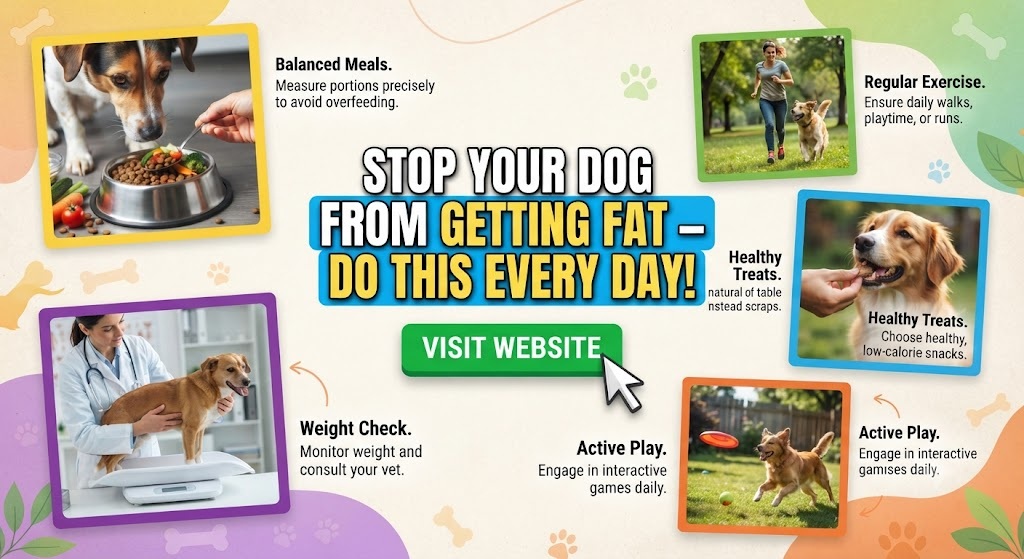
Stop Loving Your Dog to Death: The Ultimate Blueprint for Preventing Canine Obesity and Adding Years to Your Best Friend’s Life
In the world of pet ownership, there is a silent, creeping epidemic that doesn’t involve a virus or a parasite. It doesn’t make headlines like a new strain of canine flu, yet it is arguably the single greatest threat to the modern domestic dog. We are talking about canine obesity.
Recent studies by the Association for Pet Obesity Prevention (APOP) suggest that a staggering 56% of dogs in the United States are classified as overweight or obese. Perhaps even more concerning is the “fat gap”—a phenomenon where pet owners perceive their overweight dogs as being at a “normal” weight because heavy dogs have become our new visual baseline.
Obesity isn’t just a cosmetic issue. It is a chronic, low-grade inflammatory state that ravages a dog’s internal organs, destroys their joints, and shaves an average of 2.5 years off their lifespan. If you want your dog to live a long, vibrant life, preventing obesity isn’t just a “nice to do”—it is a fundamental responsibility of pet guardianship.
This comprehensive guide will break down the science of canine weight management, provide actionable strategies for prevention, and help you transform your dog’s health from the inside out.
1. The Anatomy of the “Fat Gap”: Why We Fail to See the Weight
Before we can prevent obesity, we have to recognize it. The biggest hurdle in the fight against canine weight gain is the human eye. We are hardwired to associate food with love. When a dog looks at us with those soulful “puppy eyes,” our first instinct is to reach for a treat. Over time, those treats add up, and the dog’s silhouette begins to change.
The Body Condition Score (BCS)
Veterinarians use a 1-to-9 scale to assess a dog’s weight, known as the Body Condition Score. A “1” is emaciated, and a “9” is morbidly obese. The “Sweet Spot” is a 4 or 5.
To check your dog at home, perform these three tests:
- The Rib Test: Place your hands on your dog’s ribcage. You should be able to feel each individual rib easily with a light touch, similar to the back of your hand. If you have to press down to find them, your dog is overweight.
- The Profile Test: Stand to the side and look at your dog’s silhouette. Does their belly tuck up behind the ribcage? If their underline is a straight line or, worse, sags downward, they are carrying too much weight.
- The Overhead Test: Look down at your dog from above. You should see a clear “waist” indentation behind the ribs, giving them an hourglass figure. If they look like a baked potato or a cylinder, it’s time for a lifestyle change.
2. The Heavy Price of Extra Pounds: Why Obesity is a Medical Emergency
Obesity isn’t just “carrying a little extra fluff.” Fat is a biologically active tissue. It secretes inflammatory hormones and puts oxidative stress on every system in the body. When a dog is obese, they are essentially in a constant state of internal inflammation.
The Impact on Joints and Mobility
Every extra pound puts exponential pressure on a dog’s joints. This leads to the early onset of Osteoarthritis. A heavy dog is less likely to exercise because it hurts to move, creating a vicious cycle where they gain even more weight because they are sedentary.
Metabolic and Endocrine Disorders
Obesity is a primary driver for Type 2 Diabetes in dogs. It also complicates conditions like Hypothyroidism and Cushing’s Disease. Furthermore, overweight dogs have significantly higher risks of developing high blood pressure and kidney disease.
Respiratory Distress
Fat deposits in the chest and neck can make breathing difficult, especially for brachycephalic (flat-faced) breeds like Bulldogs, Pugs, and Frenchies. For these breeds, obesity is often a death sentence as it leads to heatstroke and respiratory collapse.
3. Precision Nutrition: Stop Estimating, Start Measuring
The number one cause of dog obesity is caloric surplus. Most owners “eye-ball” their dog’s meals or use a random coffee mug to scoop kibble. This lack of precision is where the trouble starts.
The Measuring Cup Myth
A “cup” of dog food is not just any cup; it is a standard 8-ounce measuring cup. Even more accurately, food should be measured by weight (grams). A slight overflow in a scoop can add 10-15% more calories per meal. Over a year, that small error can result in several pounds of fat gain.
Calculating Caloric Needs
Every dog is an individual. The feeding guidelines on the back of the bag are often overly generous because they are based on intact, active adult dogs. Spayed or neutered dogs, and those who are less active, require significantly fewer calories.
The basic formula for Resting Energy Requirement (RER) is:
70 x (body weight in kg)^0.75
A veterinarian can help you calculate the exact number of kilocalories (kcal) your dog needs daily based on their age, breed, and activity level.
Quality Over Quantity
Not all calories are created equal. High-carb, “filler-heavy” kibbles can lead to insulin spikes that promote fat storage. Look for foods with:
- High-quality animal proteins as the first ingredient.
- Moderate fat content.
- High fiber (to help the dog feel full).
- Minimal “empty” carbohydrates like corn and soy.
4. The “Treat Tax”: Hidden Calories That Sabotage Success
You feed your dog the perfect amount of breakfast and dinner, yet they are still gaining weight. Why? The “Treat Tax.”
In many households, the dog isn’t just eating dog food. They are getting:
- Training treats.
- A “good boy” biscuit for going potty.
- A dental chew (which can contain up to 100 calories).
- Scraps from the dinner table.
- The “last bite” of your sandwich.
The 10% Rule
Treats should never exceed 10% of a dog’s total daily caloric intake. If you give a treat, you must subtract those calories from their main meal.
Healthy Alternatives
If your dog is a “food-motivated” beggar, swap the high-calorie processed biscuits for “Volumetric” snacks. These are foods that have high water and fiber content but very few calories:
- Green Beans (Fresh or canned with no salt): The ultimate “filler.”
- Carrots: Great for crunching.
- Blueberries: Packed with antioxidants.
- Cucumber Slices: Refreshing and nearly zero calories.
5. Strategic Exercise: Beyond the “Potty Walk”
A 10-minute stroll around the block for a bathroom break is not exercise; it’s a commute. To prevent obesity, dogs need purposeful movement that raises their heart rate.
Breed-Specific Activity
A Border Collie needs hours of high-intensity work, while a Basset Hound might only need 30 minutes of steady walking. Tailor your exercise to your dog’s genetics.
Low-Impact Options
If your dog is already slightly overweight, do not start with high-impact sprinting or jumping, as this can tear their CCL (the dog version of an ACL).
- Swimming: Excellent for burning calories without stressing joints.
- Sniffari: A slow walk where the dog is allowed to sniff everything. While it’s lower intensity, the mental stimulation lowers stress, which reduces cortisol (a fat-storing hormone).
- Indoor Games: Hide-and-seek with their kibble or using a “flirt pole” (a giant cat toy for dogs) can provide bursts of cardio in small spaces.
6. The Role of Mental Stimulation in Weight Loss
Believe it or not, the brain is a calorie-hungry organ. A dog that is mentally bored is more likely to engage in “scrounging” behavior. They aren’t always hungry; sometimes they are just looking for something to do, and eating is a rewarding activity.
Puzzle Feeders and Slow Bowls
Stop feeding your dog out of a standard bowl. It takes a dog about 30 seconds to inhale a meal from a bowl. Use a puzzle feeder (like a Kong or a Snuffle Mat) to make them work for their food. This turns mealtime into a 20-minute cognitive challenge, increasing satiety and burning “brain calories.”
Enrichment
A tired dog is a happy dog. Engaging in trick training for 15 minutes a day can be as exhausting for a dog as a mile-long walk. Use a portion of their daily kibble allowance as rewards for training.
7. The “Neutering Effect” and Age-Related Changes
As dogs age, their metabolism naturally slows down. A dog’s caloric needs can drop by 20% or more as they enter their senior years. Many owners fail to adjust the food intake, leading to the “middle-age spread.”
The Spay/Neuter Factor
Surgical sterilization changes a dog’s hormonal profile. Specifically, the loss of estrogen and testosterone can lead to a decrease in metabolic rate and an increase in appetite. It is a common misconception that spaying/neutering makes a dog fat. Rather, it lowers their energy requirement. If you continue to feed the same amount after surgery as you did before, the dog will gain weight.
8. Identifying Underlying Medical Issues
Sometimes, despite your best efforts, the weight won’t budge. In these cases, it’s vital to rule out medical conditions that cause weight gain or prevent weight loss.
- Hypothyroidism: Common in medium to large breeds, this condition slows the metabolism to a crawl.
- Cushing’s Disease (Hyperadrenocorticism): Causes a “pot-bellied” appearance and increased hunger.
- Medications: Certain drugs, like steroids (Prednisone), can cause massive increases in appetite and water retention.
Always consult a vet for bloodwork if your dog is gaining weight despite a strict calorie-controlled diet.
9. Creating a “Household Weight Pact”
Obesity prevention often fails because of “The Grandma Factor.” You might be dedicated to the diet, but your spouse is feeding the dog cheese under the table, and the kids are dropping crusts of pizza.
Communication is Key
Everyone in the house must be on the same page.
- The “One Feeder” Rule: Designate one person to be in charge of the meals to avoid double-feeding.
- The Treat Jar: Put the dog’s total daily treat allowance in a jar every morning. Once the jar is empty, no more treats for the day. This visual aid helps family members see how much the dog has already had.
10. Monitoring Progress: The Importance of a Log
You cannot manage what you do not measure. Keep a “Dog Health Log” to track:
- Weekly Weight: Use the scale at the vet’s office or weigh yourself, then weigh yourself holding the dog and subtract the difference.
- Activity Levels: How many minutes of active play or walking did they get?
- Visual Changes: Take photos from the top and side every month. Because you see your dog every day, you might miss the subtle changes that a photo will highlight.
11. Myths and Misconceptions About Dog Weight
Let’s debunk some common “viral” myths that lead to obesity:
- Myth: “A hungry dog is a sad dog.”
- Truth: A dog’s “hunger” is often just a learned behavior to get attention. Giving them a hug or a brush is often just as rewarding as a biscuit.
- Myth: “Big dogs need to be heavy to be strong.”
- Truth: Large breeds (like Great Danes or Mastiffs) are actually more prone to devastating joint failures if they are overweight. Keeping a large breed lean is the best way to protect their hips.
- Myth: “Grain-free food prevents obesity.”
- Truth: Many grain-free foods replace rice or oats with peas, lentils, and potatoes, which can be just as calorie-dense. It’s about the total caloric load, not just the grain content.
12. Conclusion: The Gift of Lean Health
Preventing dog obesity isn’t about deprivation; it’s about liberation. A lean dog can run further, jump higher, and play longer. They have fewer visits to the vet, lower medical bills, and more energy to enjoy their life with you.
By mastering the Body Condition Score, measuring meals with precision, choosing high-fiber treats, and ensuring consistent household rules, you are doing more than just “watching their weight.” You are actively extending their life.
Your dog relies on you for everything—what they eat, when they move, and how they live. Don’t let your love for them manifest as an extra scoop of kibble. Instead, let your love manifest as a long, healthy walk and a body that is fit for adventure.
The best treat you can ever give your dog is a longer life. Start today.