The Weird Toy That Calms Anxious Dogs in 5 Minutes
The Weird Toy That Calms Anxious Dogs in 5 Minutes: Why Every Pet Parent Needs This Secret Weapon
It starts with a low whine. Then comes the pacing. Soon, your four-legged best friend is panting, trembling, or perhaps even destructive—chewing on doorframes or digging into the carpet. For millions of dog owners, canine anxiety isn’t just a minor inconvenience; it’s a heartbreaking daily reality. We’ve tried the weighted vests, the expensive pheromone diffusers, and the soothing classical music playlists. Yet, the anxiety persists.
But what if the solution wasn’t a complex medical intervention or an expensive training seminar? What if the key to a calm, happy dog was a “weird” looking toy that utilizes the primal instincts already hardwired into your dog’s brain?
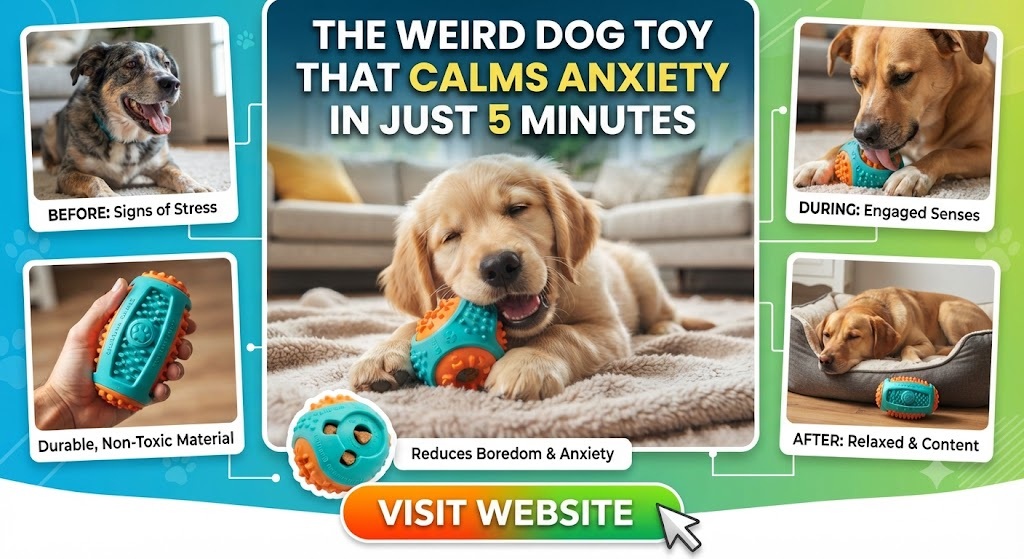
Enter the world of Sensory Enrichment Toys. Specifically, one bizarre-looking contraption has been taking the pet world by storm, claiming to lower cortisol levels and induce a state of “doggy zen” in as little as five minutes.
In this comprehensive guide, we are going to dive deep into the science of canine anxiety, why traditional toys fail, and exactly how this “weird” toy—the Snuffle Mat (and its cousins, the Lick Mat and the Heartbeat Sheep)—actually works to rewire an anxious dog’s brain.
The Silent Epidemic of Canine Anxiety
Before we reveal the magic of the toy, we must understand the enemy. Anxiety in dogs is more common now than ever before. Veterinary behaviorists suggest that up to 70% of dogs exhibit at least one anxiety-related behavior.
Common Triggers for Dog Anxiety:
- Separation Anxiety: The most common form, where dogs panic the moment their owner picks up their car keys.
- Noise Phobias: Thunderstorms, fireworks, or even the beep of a microwave can send a dog into a tailspin.
- Rescue Trauma: Many dogs from shelters carry the “ghosts” of their past, making them hyper-vigilant and fearful of new environments.
- Age-Related Anxiety: As dogs get older, cognitive decline can lead to confusion and increased stress.
When a dog is anxious, their body is flooded with cortisol and adrenaline. Their “fight or flight” response is stuck in the “on” position. To calm them down, we need to activate their parasympathetic nervous system—the “rest and digest” mode.
This is where the “weird” toy comes in.
What Is This “Weird Toy” Exactly?
While there are several variations, the toy that has behavioral experts buzzing is the Snuffle Mat.
To the untrained eye, it looks like a mop head that has had a bad day. It’s a fabric base covered in strips of felt, fleece, and various “nooks and crannies.” It doesn’t squeak, it doesn’t bounce, and it doesn’t look like a traditional dog toy. But to a dog, it is a high-definition sensory playground.
Why It’s “Weird”:
- It’s Not for “Playing”: Unlike a ball or a rope, the dog doesn’t run with it. They interact with it slowly and methodically.
- It’s “Self-Soothing”: It allows the dog to calm themselves without human intervention.
- It Targets the Nose, Not the Eyes: Dogs see the world through their noses. This toy prioritizes scent over sight.
The 5-Minute Science: How It Works
How can a piece of fabric calm a dog in five minutes? The answer lies in the Vomeronasal Organ and the power of “Nose Work.”
1. The Power of Sniffing (Dopamine Release)
A dog’s sense of smell is 10,000 to 100,000 times more acute than ours. When a dog uses their nose to find hidden treats inside the “weird” folds of a Snuffle Mat, they are engaging in a species-specific behavior. Research shows that 15 minutes of sniffing is as mentally exhausting and satisfying for a dog as an hour-long walk. By focusing on the scent, the dog’s brain shifts focus away from the “threat” (like a thunderstorm) and onto the task at hand.
2. The Licking Reflex (Endorphin Boost)
Many of these “weird” toys also incorporate Lick Mats—silicone pads with textured surfaces. When a dog licks—whether it’s peanut butter, yogurt, or wet food off these surfaces—their brain releases endorphins. These are the body’s natural “feel-good” chemicals. Licking is a rhythmic, repetitive action that lowers the heart rate and provides a sedative effect.
3. Foraging vs. Feeding
In the wild, dogs are scavengers. They spent hours looking for food. In our modern homes, we drop a bowl of kibble on the floor, and they finish it in 30 seconds. This leaves them with a massive amount of unspent mental energy. The Snuffle Mat mimics the natural foraging process, providing “mental enrichment” that tires the brain out, leading to a natural state of relaxation.
Why “Normal” Toys Often Make Anxiety Worse
You might think, “I’ll just give my dog a squeaky toy to distract them.” Unfortunately, this often backfires.
Traditional toys are designed to arouse a dog. Squeakers mimic the sound of prey, which puts the dog into a “high arousal” state. While this is great for exercise, it is the last thing an anxious dog needs. An anxious dog is already over-aroused; adding a high-pitched squeaker is like giving a cup of espresso to someone having a panic attack.
The “Weird Toy” works because it is a low-arousal activity. It encourages slow movement, deep breathing (through sniffing), and rhythmic licking.
The Three Kings of Calming Toys
While the Snuffle Mat is the star of the show, there are three specific “weird” toys that every owner of an anxious dog should have in their arsenal.
1. The Snuffle Mat (The “Nose” Specialist)
- Best for: General anxiety, boredom, and high-energy dogs.
- How it looks: A shag-rug-style mat with felt strips.
- The “Weird” Factor: It looks like a DIY craft project gone wrong.
- The Result: A dog that is mentally “spent” and ready for a nap.
2. The Lick Mat (The “Endorphin” Specialist)
- Best for: Bath time, vet visits, and immediate stress relief.
- How it looks: A flat silicone square with tiny bumps or grooves.
- The “Weird” Factor: You smear food on it, and your dog spends 20 minutes meticulously cleaning it.
- The Result: A significant drop in heart rate and vocalization (whining).
3. The Heartbeat Sheep (The “Comfort” Specialist)
- Best for: Puppies with separation anxiety or dogs that “nest.”
- How it looks: A plush toy with a battery-operated “heart” inside.
- The “Weird” Factor: It emits a physical thumping sound that you can feel through the fur.
- The Result: It mimics the presence of a mother or littermate, providing a physical sense of security that stops crying in minutes.
Case Study: From Pacing to Purring (Well, Snoring)
Take the case of “Barnaby,” a 3-year-old rescue Greyhound with severe noise phobia. During July 4th fireworks, Barnaby would traditionally hide in the bathtub, shaking so hard he would lose control of his bladder.
His owner, Sarah, tried the Snuffle Mat as a last resort. Instead of trying to “comfort” him with pets (which can sometimes reinforce the fear), she loaded the Snuffle Mat with high-value pieces of dried liver and hid it in a quiet corner.
“Within five minutes,” Sarah reported, “Barnaby was so focused on finding every last crumb that the sound of the fireworks became background noise. He didn’t stop until he was done, and when he finished, he just… laid down and fell asleep. I had never seen him that calm during a storm in three years.”
How to Introduce the Toy for Maximum Effect
You can’t just throw a Snuffle Mat at an anxious dog and expect a miracle. There is a strategy to using these toys effectively.
Step 1: The “Success” Phase
Start when the dog is already calm. Put some very easy-to-find treats on top of the mat. You want the dog to associate the toy with a “win.” If it’s too hard at first, they might get frustrated, which increases anxiety.
Step 2: The “Hiding” Phase
Once they love the mat, start tucking the treats deeper into the fabric strips. This forces them to use their paws and nose to dig.
Step 3: The “Pre-emptive Strike”
The secret to the “5-minute calm” is timing. If you know a thunderstorm is coming, or you are about to leave for work, give the dog the toy 10 minutes before the stressor begins. This engages their brain in a “positive task” before the “negative emotion” can take root.
DIY: How to Make Your Own “Weird” Calming Toy
Don’t want to buy one yet? You can test the theory with items you have around the house.
The “Rolled Towel” Trick
- Take an old beach towel and lay it flat.
- Scatter a handful of kibble or treats across the surface.
- Roll the towel up tightly into a “burrito.”
- For extra difficulty, tie the rolled towel into a loose knot.
- Give it to your dog. They will have to sniff, unroll, and nudge the towel to get the food.
This simple DIY version uses the same principles of “Nose Work” to calm the nervous system.
Beyond the Toy: A Holistic Approach to Dog Anxiety
While the Snuffle Mat is a game-changer, it is one tool in a larger toolkit. To truly help an anxious dog, consider these complementary strategies:
1. Dietary Support
Believe it or not, gut health is linked to anxiety in dogs, just like in humans. High-quality probiotics or calming supplements containing L-Theanine or Melatonin can take the edge off, making the “weird toy” even more effective.
2. Desensitization Training
Use the toy as a reward during desensitization. For example, play a low-volume recording of thunder while the dog plays with the Snuffle Mat. Gradually increase the volume over several weeks. The dog begins to associate the “scary” sound with the “fun” sniffing game.
3. Exercise vs. Enrichment
Many owners think a tired dog is a calm dog. This is only half true. A physically tired dog can still be mentally anxious. Ensure you are providing “Mental Exercise” (puzzles, training, sniffing) alongside “Physical Exercise” (running, walking).
Common Mistakes to Avoid
To ensure your dog gets the most out of their new calming toy, avoid these three common pitfalls:
- Leaving the Toy Out 24/7: If the dog has access to the Snuffle Mat all day, it loses its “novelty.” Bring it out only during stressful times or specific enrichment sessions.
- Using Low-Value Treats: If your dog is stressed, they won’t care about their boring dry kibble. Use the “good stuff”—freeze-dried chicken, tiny bits of cheese, or specialized high-scent dog treats.
- Forcing Interaction: Never force your dog’s head into the mat. Let them discover it on their own terms. Forcing them can create a negative association.
Why the Pet Industry Doesn’t Talk About This More
You might wonder why these simple fabric mats aren’t as heavily marketed as high-tech gadgets. The truth is, they are too simple and too durable. A good Snuffle Mat can last for years. It doesn’t require subscriptions, batteries, or expensive replacements.
However, professional dog trainers and “force-free” behaviorists have known this secret for decades: A dog that is sniffing is a dog that is relaxed.
The Verdict: Does It Really Work in 5 Minutes?
The “5-minute” claim sounds like marketing fluff, but it is backed by biological reality. The shift from the sympathetic nervous system (anxiety) to the parasympathetic nervous system (calm) can happen rapidly when a dog is engaged in a high-focus sensory task.
While it may not “cure” deep-seated clinical anxiety overnight, it provides an immediate “off-switch” for the symptoms. It gives the dog something to do with their nervous energy, turning a potential panic attack into a productive foraging session.
Frequently Asked Questions (FAQs)
Is the Snuffle Mat safe for chewers?
Most Snuffle Mats are made of fleece, which is durable but not indestructible. If your dog is a “power chewer” who tries to eat fabric, you should only use the mat under direct supervision and put it away as soon as the treats are gone.
How do I clean a “weird” fabric toy?
Most high-quality Snuffle Mats are machine washable. Just put them in a laundry bag (to protect the strips) and wash on a gentle cycle with pet-safe detergent. Hang to dry.
Can I use this for puppies?
Absolutely! In fact, it’s highly recommended. Using enrichment toys early in life helps prevent anxiety from developing in the first place by teaching the puppy how to self-soothe.
What if my dog isn’t “food-motivated”?
Even dogs that aren’t “foodies” usually have a drive to hunt or forage. Try using their favorite small toy hidden inside the mat instead of food. The “search” is the reward, not just the “snack.”
Summary: Taking the First Step Toward a Calmer Dog
If you are tired of seeing your dog suffer, and you’re looking for a non-invasive, drug-free way to help them manage their stress, it’s time to try the “weird” toy.
Whether it’s a Snuffle Mat, a Lick Mat, or a DIY towel burrito, the goal is the same: stop trying to talk your dog out of their anxiety and start letting them “sniff” their way out of it.
By tapping into their natural instincts, you aren’t just giving them a toy—you’re giving them a job, a distraction, and most importantly, a sense of peace. In the chaotic world we live in, that’s the greatest gift we can give our canine companions.
Don’t wait for the next thunderstorm or the next time you have to leave for an 8-hour shift. Get your dog a sensory enrichment toy today and watch the transformation happen in real-time.
Your dog’s brain will thank you. Your furniture will thank you. And you’ll finally get to enjoy the quiet, calm companionship you both deserve.